




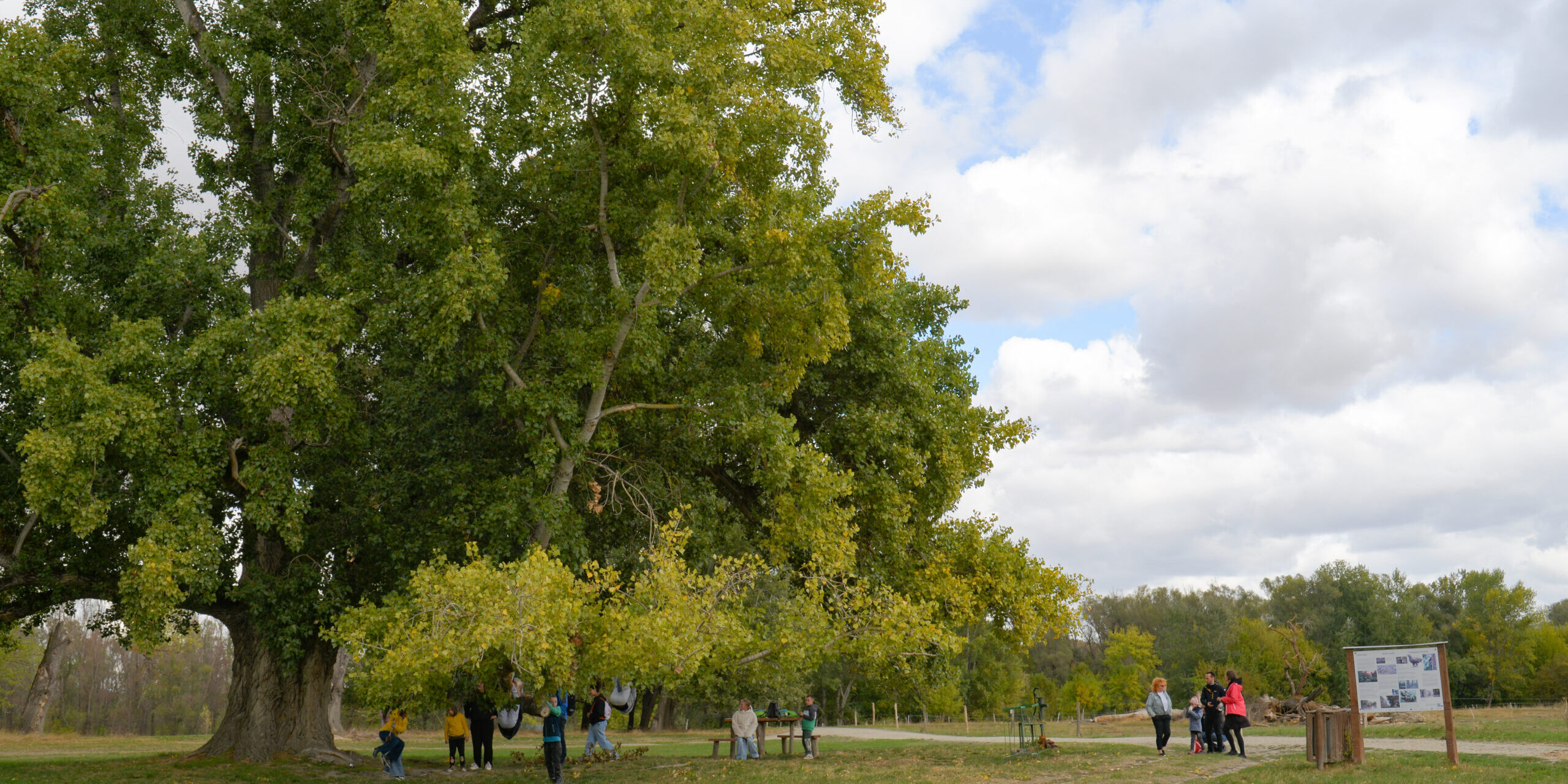
One of the most effective ways to ensure environmental protection is to foster a positive human relationship with nature. Numerous studies in environmental psychology confirm that people who feel an emotional and cognitive bond with nature are far more likely to protect it, and childhood is the key period for forming this positive relationship. This is also why the conservation association BROZ devotes a large portion of its energy to educational activities focused on the next generation.
We therefore took advantage of the pleasant autumn weather to organize a lecture and field trip for children and youth from the Centre for Children and Families (CDR) Kolárovo. The event took place on September 22, 2026, at the Ostrov Eco-Farm (Zlatná na Ostrove) as well as directly in the Danube wilderness on Veľkolélsky Island.
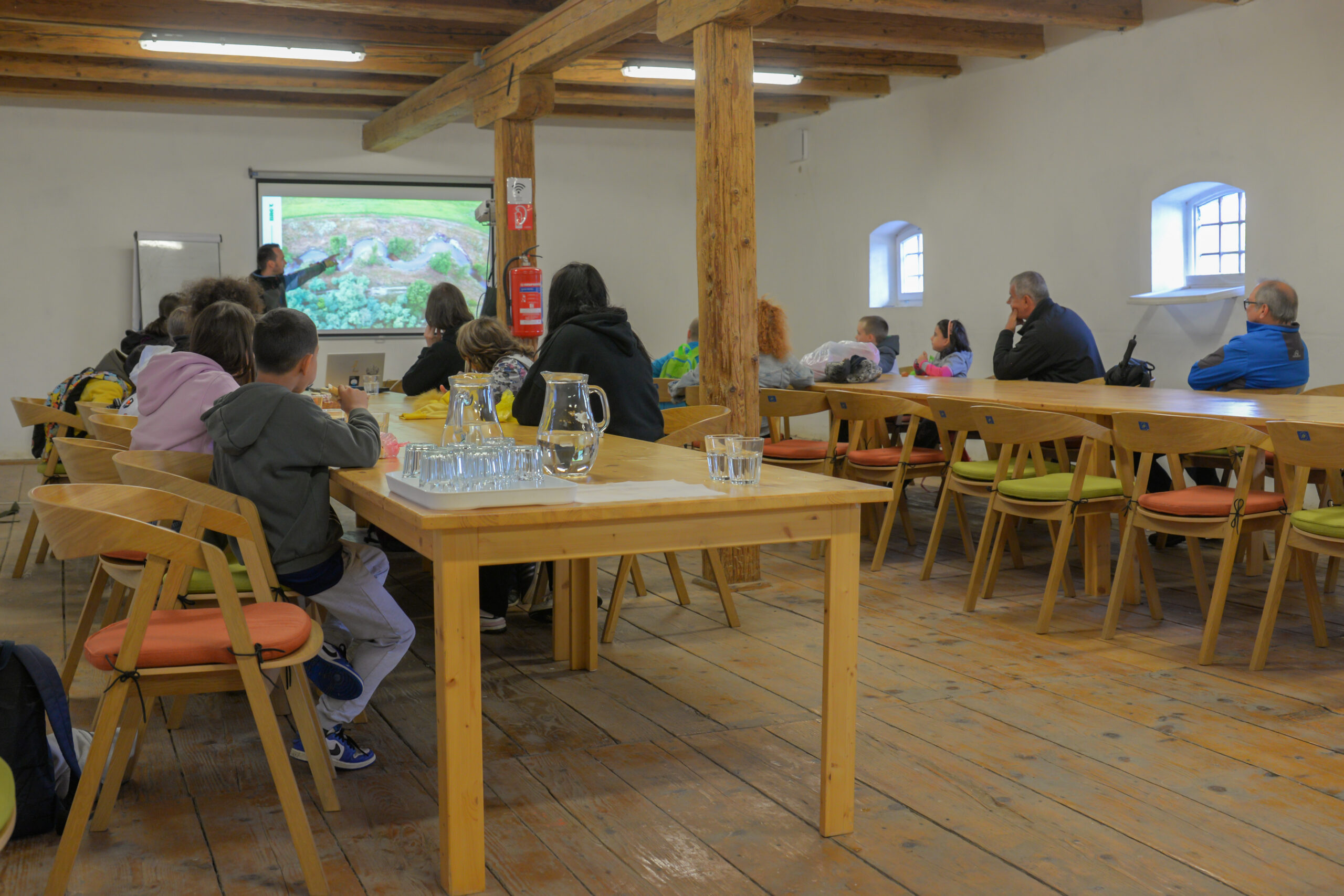
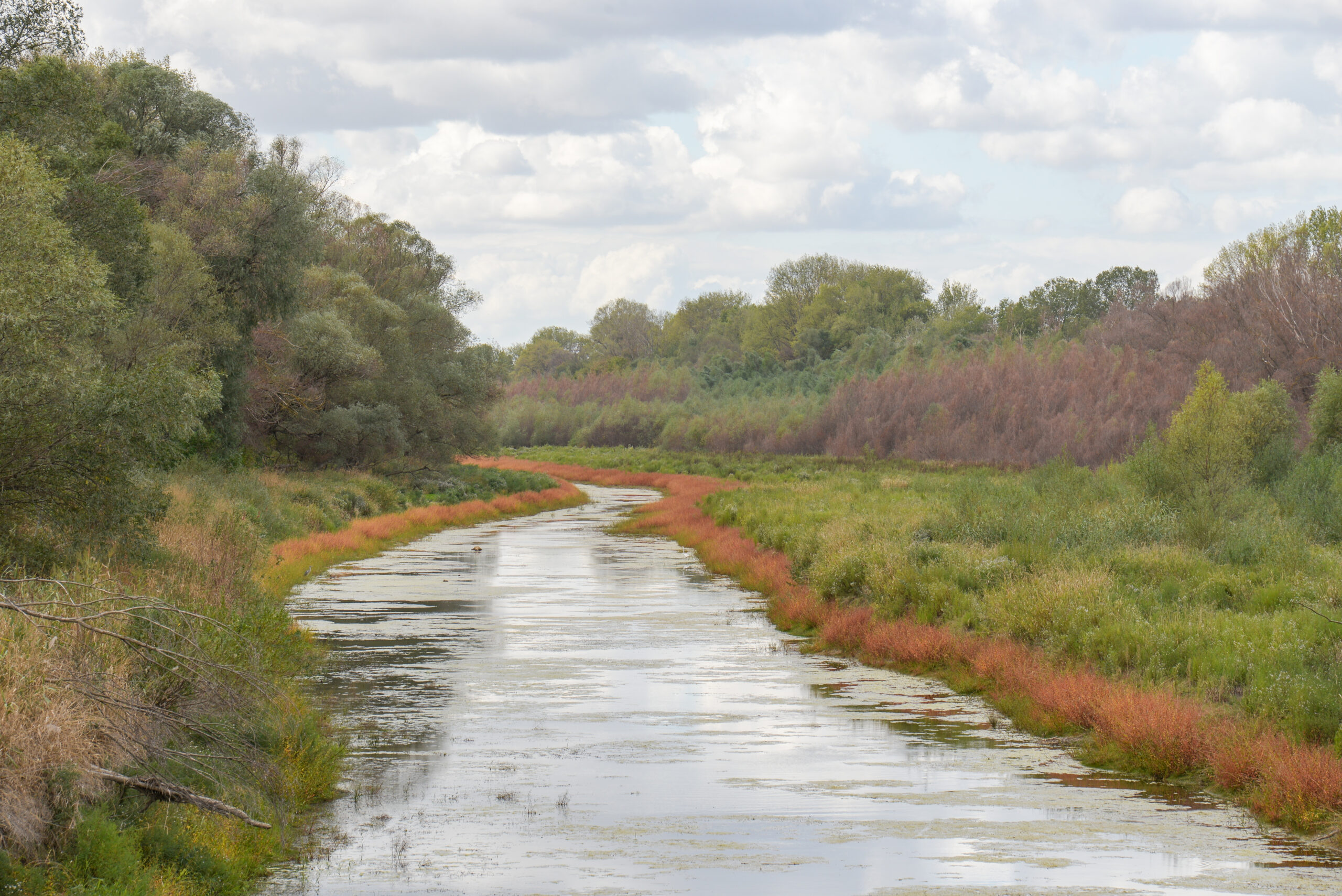
For the participants, we prepared a tour of the eco-farm where they could see and pet farm animals. While they played happily with balls, storks from the rescue station located on the farm flew overhead. Next, we moved to the historical granary, where we presented the activities of the project 0410-2SC-BIO-PC2-004 Improving the water regime of the Danube river branches and our conservation efforts. After the lecture, the children watched the conservation-and-running documentary DUNAJ. We didn’t forget refreshments either, offering lunch and a tasting of locally produced cheeses. A key highlight of the program was a walking excursion to the Danube beach, which led across Veľkolélsky Island, past the revitalized Veľkolélské river branch, and through restored wet meadows. Here, we had the opportunity to spot a rare purple heron, the beautiful yet highly toxic autumn crocus, and even Hucul ponies, which—alongside herds of cows, sheep, and goats—help graze the meadows and pastures.
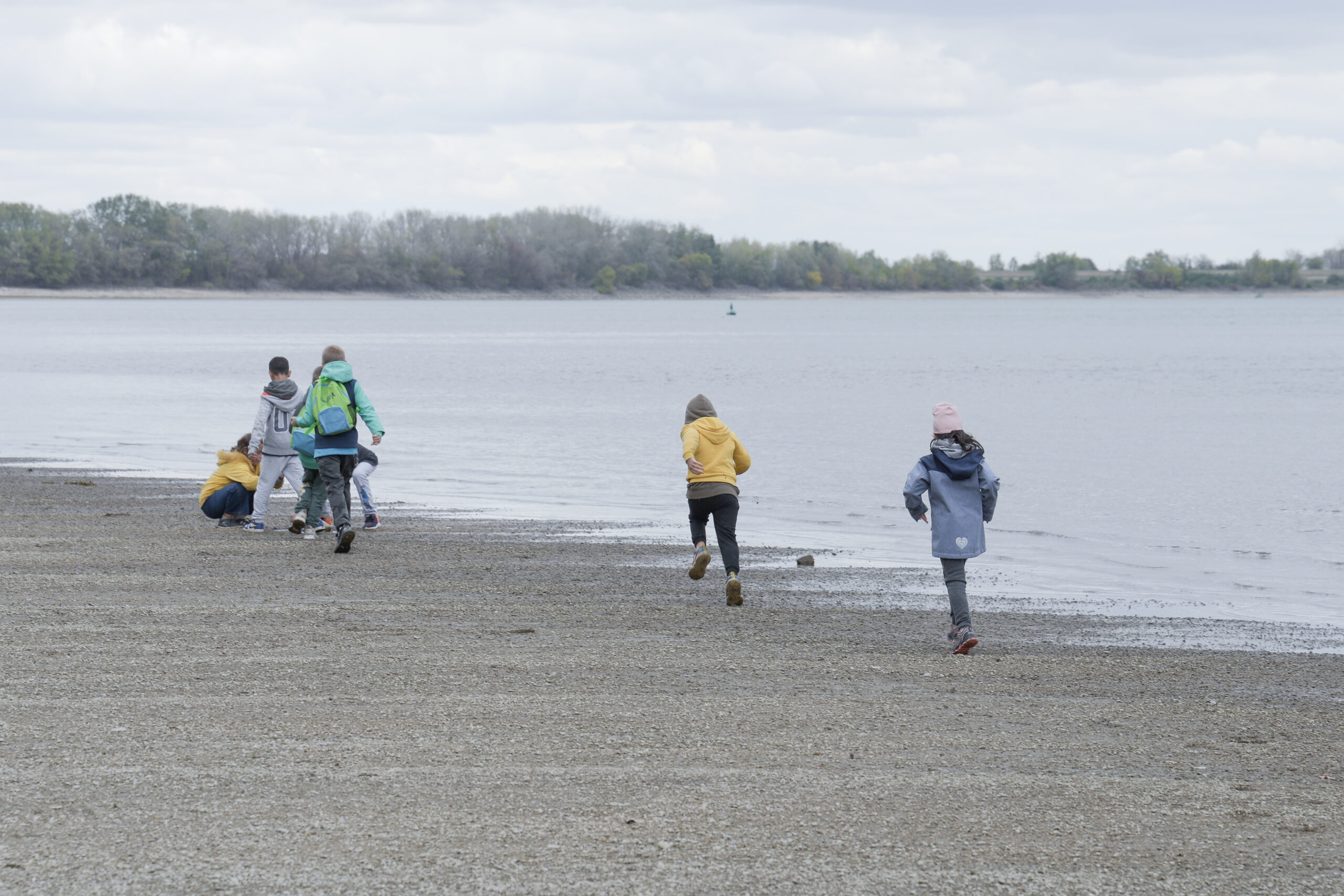
We believe the children took home great memories and new knowledge, but above all, a slightly deeper connection to our nature. That bond is, after all, crucial to their future behavior toward the environment.