




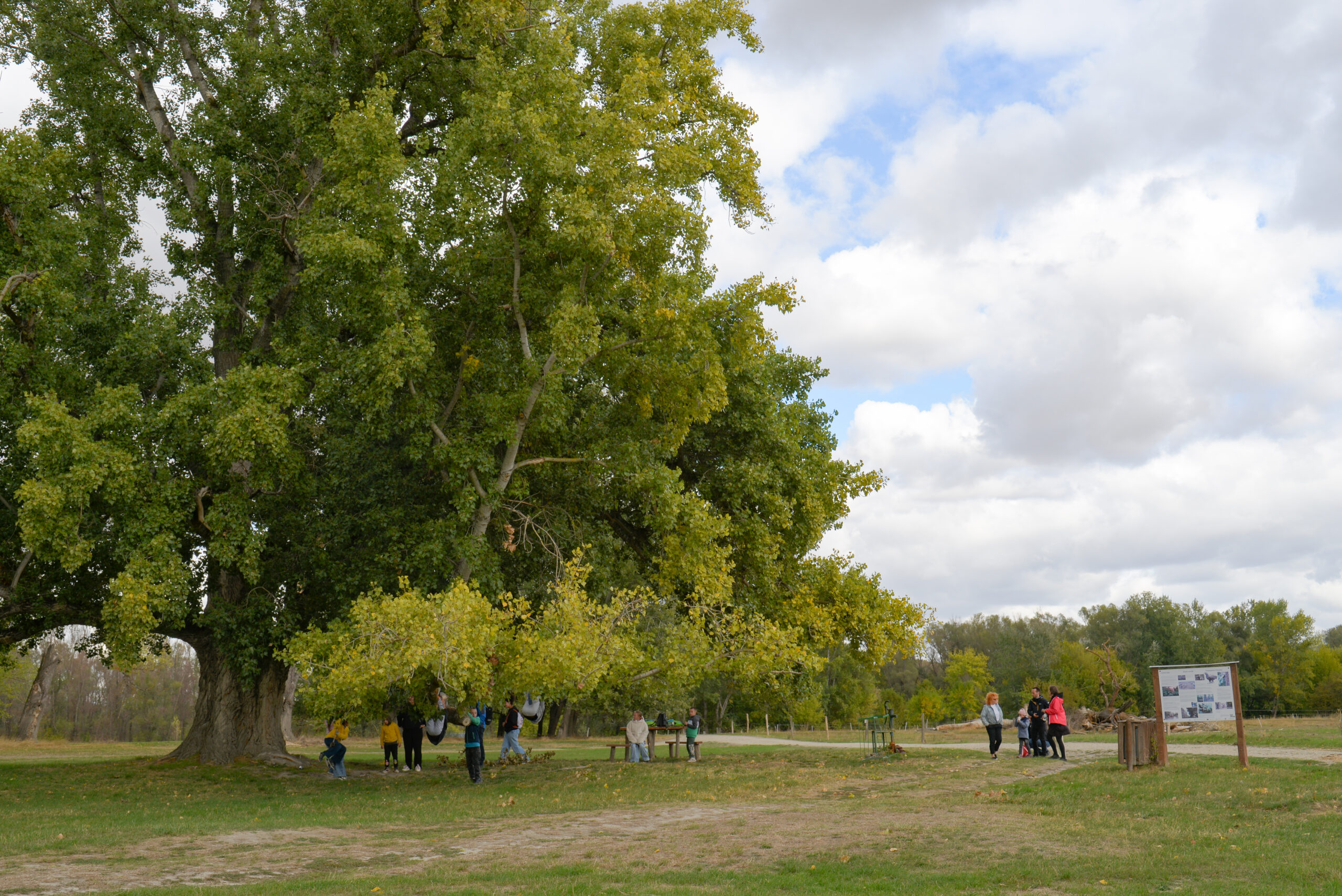
Lecture and Field Trip for Children from CDR Kolárovo
One of the most effective ways to ensure environmental protection is to foster a positive human relationship with nature. Numerous studies in environmental psychology confirm that people who feel an emotional and cognitive bond with nature are far more likely to protect it, and childhood is the key period for forming this positive relationship.
A long journey to breaking ground with an excavator
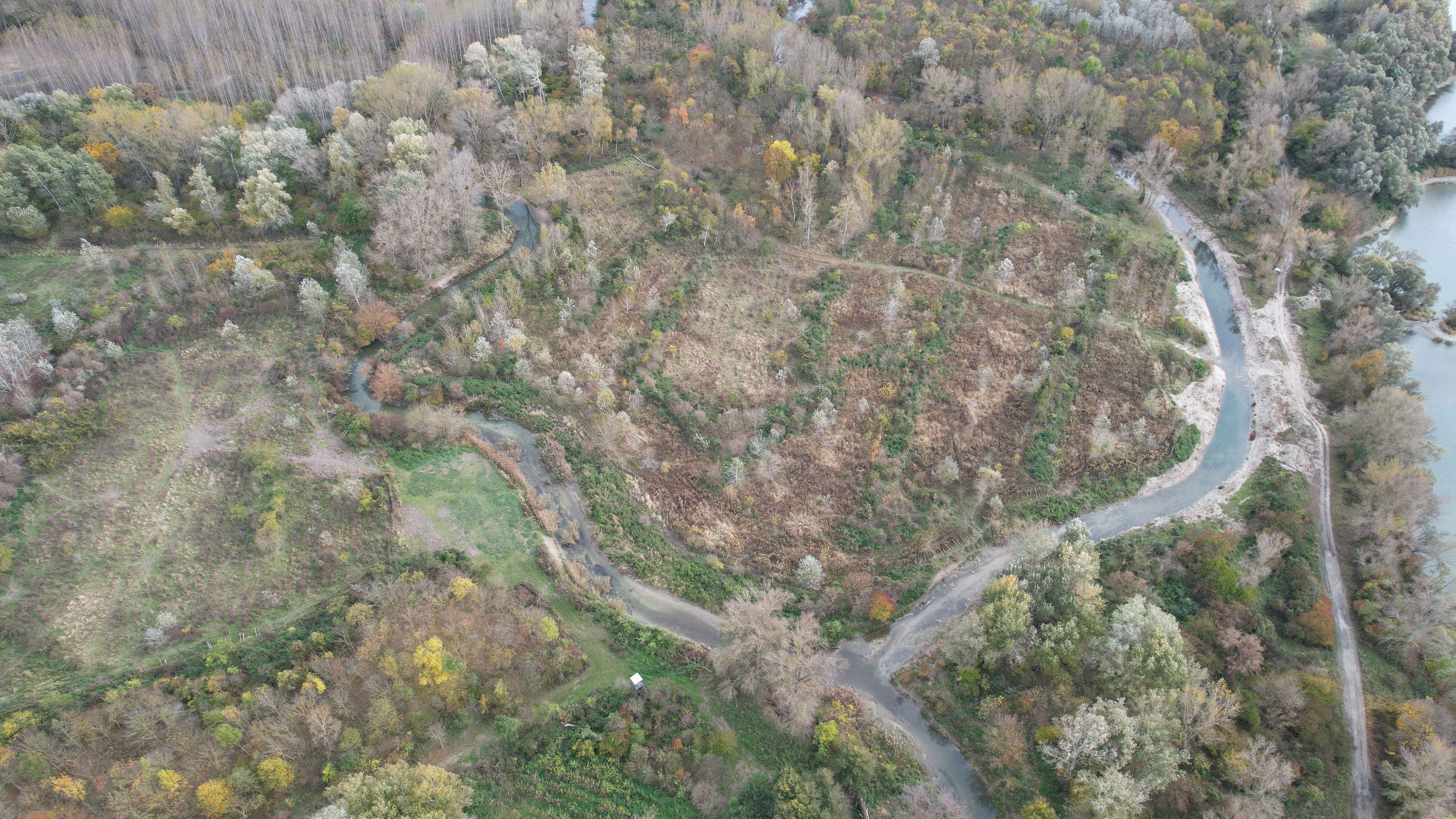
If clogged side arms of the Danube need to be cleared of sediment and accumulated debris (massive trunks, branches, plants, trash, etc.), simply ordering an excavator and starting to dig isn't enough. Preparation for this type of restoration measure takes months - ranging from identifying problematic locations, geodetic surveying of elevation profiles and topography, and modeling/predicting the impact of clearing on water flow dynamics, to administrative and permitting processes, securing funding, contractor procurement, and the actual field work.
We have planted more than 6,000 saplings of native tree species
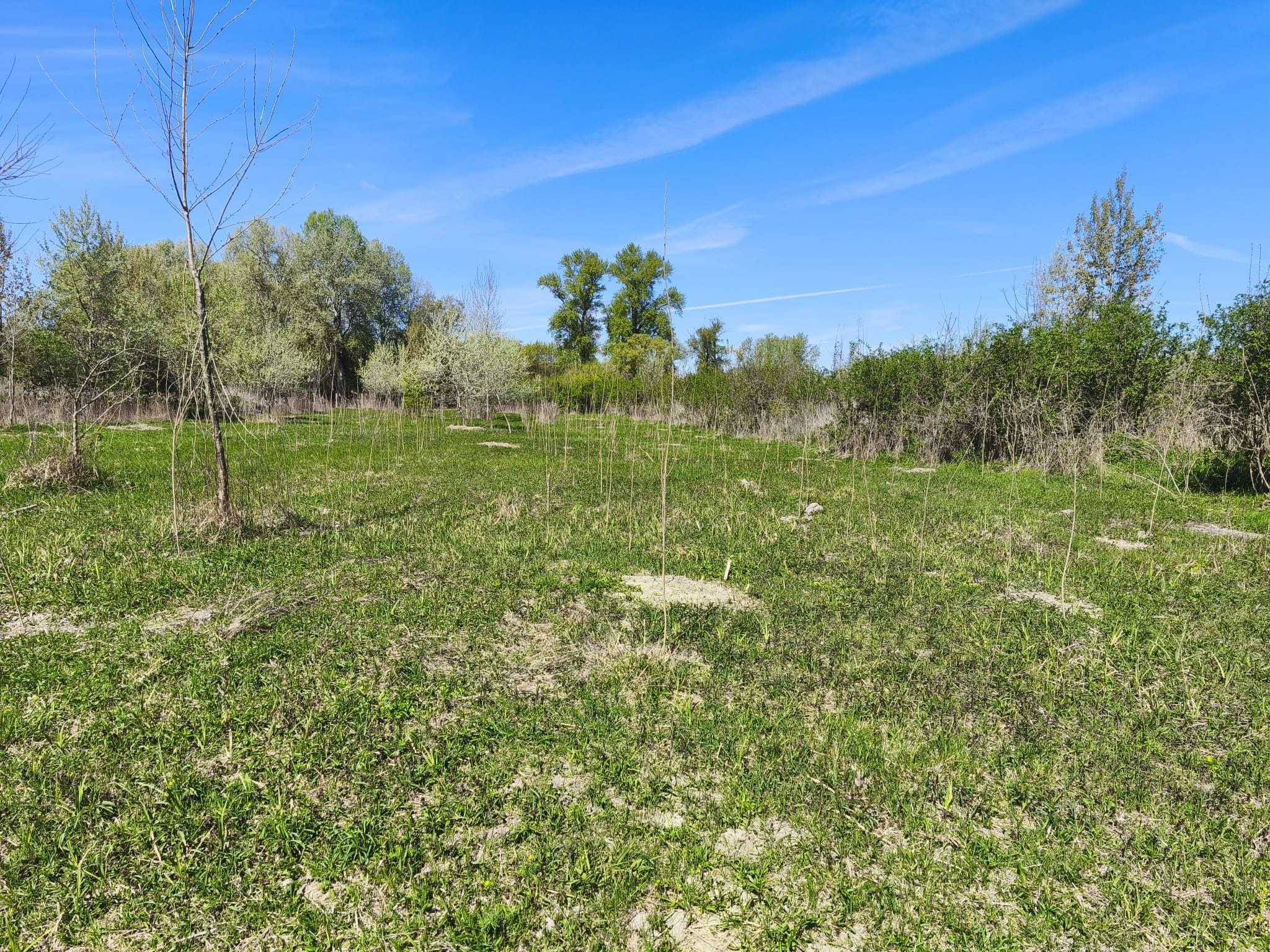
As part of the project Improving the water regime of the Danube river branches, under the Swiss-Slovak Cooperation Programme, 6,400 saplings of native tree species (white poplar, black poplar, black alder) were planted in the spring of 2026.
Project name: Improving the water regime of the Danube river branches
Programme: Swiss–Slovak Cooperation Programme
Programme administrator: The Ministry of Investment, Regional Development and Informatization of the Slovak Republic
Call: BIO02 Strengthening Biodiversity in protected areas
Project code: 0410-2SC-BIO-PC2-004
Duration: 2.10.2025 – 31.12.2028
Budget: 500,000.00 EUR
Lead partner: BROZ – conservation association
Swiss partner: Swiss Federal Institute for Forest, Snow and Landscape Research (WSL)


The main objective is to improve the human-altered water regime (higher flows, better dynamics) in the Danube river branch system (36 ha) through specific restoration measures, such as modifications to selected sections of the branches (cleaning, deepening) and participation in the process of optimizing the simulated floods regime. Supporting arguments in favor of flooding will be obtained through regular monitoring of target species (fish, amphibians), habitats and evaluation of ecosystem services. Supporting measures such as planting native trees and eliminating invasive species (8 ha) will also help to improve their condition. The project also includes public awareness raising and education (promotional materials – wall calendars, glass bottles, tattoos), promoting nature tourism (Danube wilderness observation tower, educational model of river branch restoration), while reaching out to and involving local communities and marginalized groups.
Danube river branch system – a network of river branches, once freely meandering in the Danube gravel and sand deposits, an important source of drinking water. One of the most important areas for fish spawning and reproduction of animals associated with floodplain habitats. Human activity has cut off the branch system from the main channel of the Danube. Insufficient water supply and flow velocity in the branches cause them to become clogged with fine sediments and overgrown with vegetation.

Veľký Lél – the gateway to Veľkolélsky Island, one of the last large preserved islands on the Slovak section of the Danube. There is an eco-center suitable for lectures and in the immediate vicinity of the routes for excursions around the island with examples of floodplain habitats – a Danube side arm, wet meadows, floodplain forests, with examples of previous restorations.

Project management (communication activities, coordination of measures and monitoring, administration and financial management).
Improvement of water regime of river branches and adjacent wetlands – practical restoration measures (at four selected sites, covering a total area of 36 ha) such as deepening and widening river beds, removing obstacles in the flow and, in connection with the altered water regime, accumulated fine sediments. The modifications will enable higher flows and flow velocities in selected sections, better migration for aquatic animals, better access to spawning grounds for native Danube fish species and access to breeding grounds for many other animal groups / species. At the same time, support for an optimal simulated flood regime will bring more water to the entire system of river branches and adjacent wetlands.
Optimisation of floodplain forest stands composition – planting native trees (poplars, alders), after-planting care (removing weeds and climbing plants) and eliminating non-native and invasive species (genus Phallopia, Buddleja, Paulownia and Ailanthus).
Monitoring of the effect of simulated floods on species and habitats – includes assessment of the impact of simulated floods within the Danube river branch system by monitoring fish, amphibians habitats and ecosystem services.
Awareness about protection of Danube floodplains – through lectures, excursions, meetings with stakeholders, enrichment of nature tourism offerings (construction of a wildlife observation tower, creation of an educational model of a river branch) and publication of promotional materials (wall calendars, glass bottles, tattoos).