




Conservation of European Ground Squirrel
Project focuses on protection and enhancement of European Ground Squirrel populations in the nortwestern borders of it´s range: in Slovakia, Czech republic and in Poland.
The aim of this project is to support existing populations, restore suitable habitats and reintroduce the species to former localities.
- Novinky & Activities
- Main information
- Target species
- Project area
- Activities
- Achieved goals
- Media outputs
- Photogallery
- Personnel
- How to help Ground Squirrel
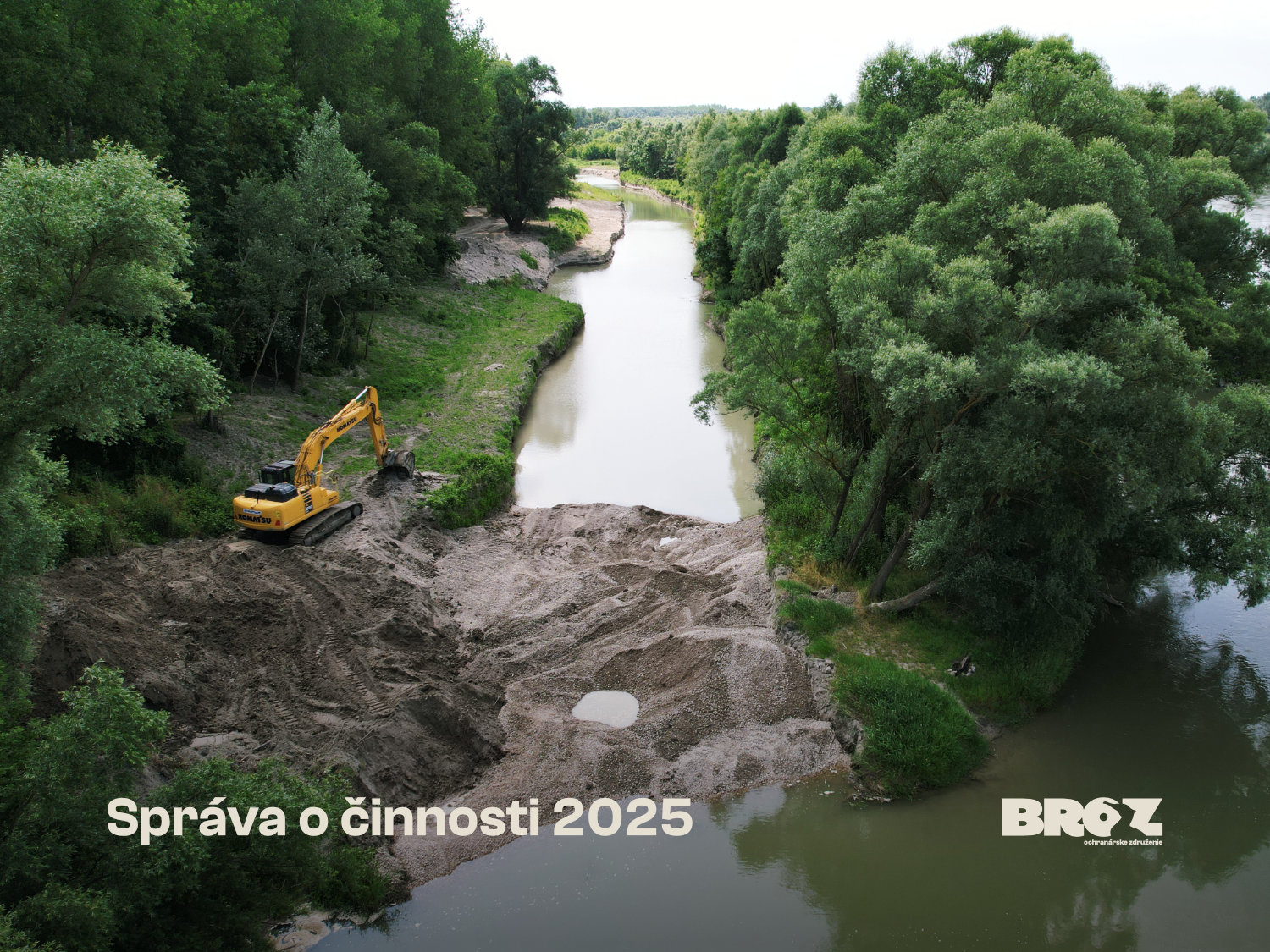
Annual activity report for 2025
We would like to share with you what we managed to achieve last year in terms of water revitalization, restoration of meadows and pastures, floodplain forests, and protection of ground squirrels and turtles. If you look at the report, you will see how much work, volunteer help, and support from you, individuals, or companies, is behind it.

Ground squirrel trapping at the Bratislava Airport is underway.
As we do every year, in the spring and summer, our ground squirrel team captures ground squirrels at sites with stable populations and transports them to genetically poor or newly established sites. This morning, 65 ground squirrels were captured and are currently being transported to sites in the White Carpathians and Podunajsko region.

Ground squirrels are social animals. More numerous colonies are stronger.
The European ground squirrels are animals that live in large groups. In ideal conditions, they will grow to several thousand members and gradually colonise the surrounding landscape, provided it is suitable and there is low vegetation - grassland, or mown lawns or meadows.

Ground squirrel meadows are blooming beautifully right now
Throughout spring, meadows with the presence of ground squirrels bloom in abundance. Ground squirrel habitats are usually pastures, so this suitable combination of inter-species cooperation bears its fruit.

What does the ground squirrel team do while ground squirrels sleep?
The ground squirrel team is working hard on clearing the beautiful, grike ground squirrel field in Tisovec, abundant with rocks and biodiversity.

The ground squirrels are sleeping. What does our team do in the meantime?
Our team is definitely not sitting idle, they're running over the sleeping ground squirrels' heads and working on clearing future pastures. For example, on the Muránska plain. You surely know the ground squirrel site Biele vody, which is very popular for the purpose of observing and "feeding" ground squirrels, sort of like a ground squirrel safari.

It’s not only farmers helping the ground squirrels, but also vice versa.
For example in the Tisovský kras area: A local farm has also recently had its grike fields excluded from subsidies. This story is familiar to many farmers and can shuffle the financial stability of many of them.

Mossy Earth made a beautiful video about the ground squirrels’ translocation.
Mossy Earth, an organization that partially funds our rescue trapping of the European ground squirrel, made a beautiful video about this adrenaline-pumping activity.

Response to the false attacks on BROZ.
We are writing this post in response to the attacks that we've been facing in recent days, directly or indirectly, on ourselves and our conservation projects, which we have been working on systematically for a long time.
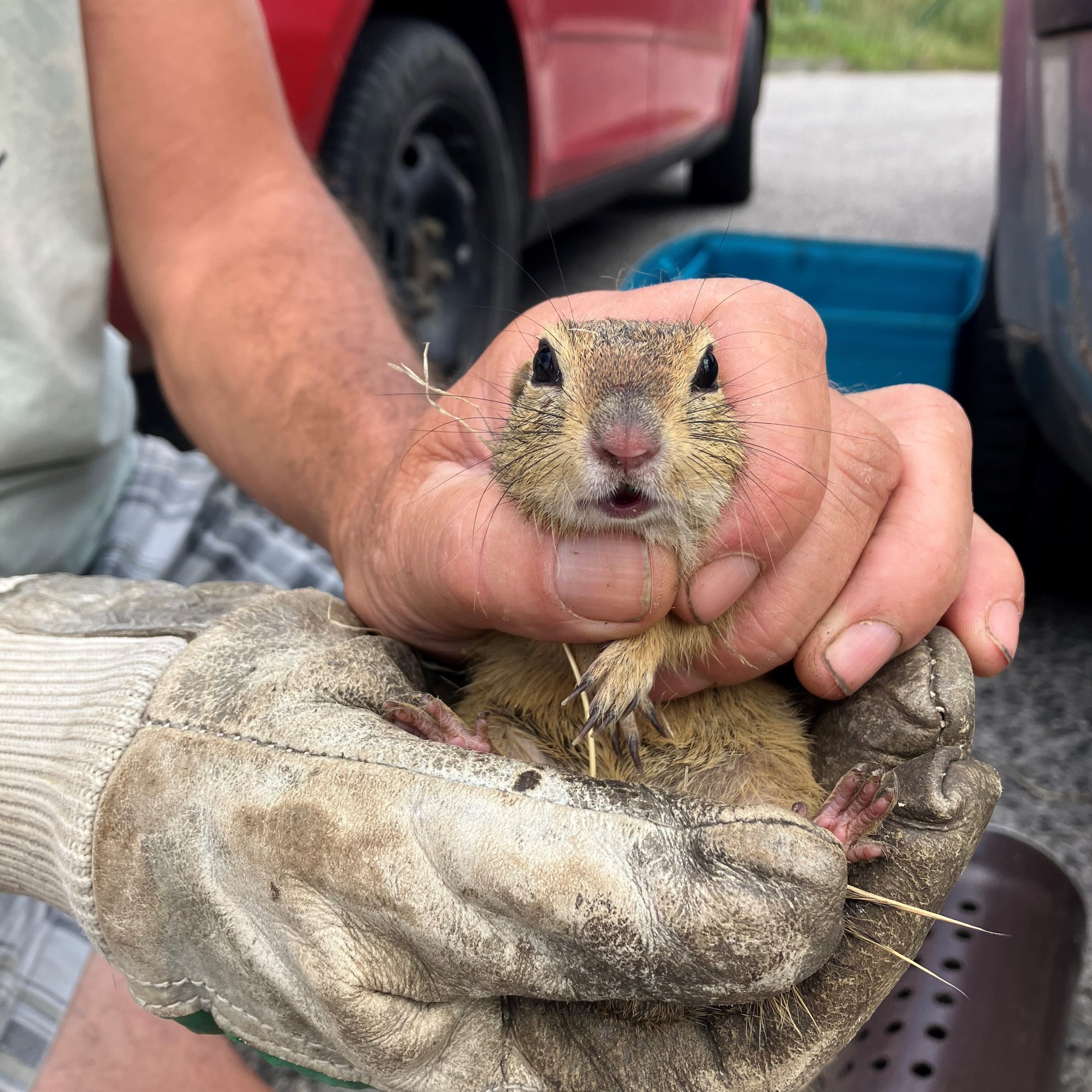
We are finishing the rescue trapping of ground squirrels
Rescue trapping of ground squirrels near the Bratislava airport will soon be completed. You are looking at one of the last squirrels from this capture. We recently wrote about our colleagues from our ground squirrel conservation project who have been trapping ground squirrels there to save them because there is going to be construction on this site.

Near the airport, we are dealing with the largest ground squirrel rescue capture
It is not any news that the largest population of ground squirrels in Slovakia lives at the Bratislava airport. Well, these squirrels naturally also run into the open countryside from there, and the mowed grass meadows between the technical buildings provide them good living space.

Together with municipality we are restoring grazing in Spišské Podhradie
Sheep grazing has a long-term tradition in Spiš, and for its restoration in the meadows of Spišské Podhradie, several entities sterted to cooperate - the conservation association BROZ, the Administration of the Slovak Raj National Park, the city of Spišské Podhradie, and the Bishopric of Spišské with its seat in Spišské Podhradie at the Spišská Kapitula.

The sheep have arrived to Spiš, so that we will soon restore grazing for ground squirrel there
On Monday, sheep of our original breed - valaška - traveled to Spiš to get to know the new barn and meet the shepherd. As early as next week, we are going to release them at a beautiful location, on a meadow near Spišské Podhradie with a view of UNESCO location Spišský hrad.

The ground squirrels woke up a month earlier due to the warming
This is also the reality of a cliamte change. Ground squirrels wake up every year in the middle to the end of March, which is about a month from now. This year, several localities report us that they have woken up and have already moved through their burrows, which means they have been awake for about a week.
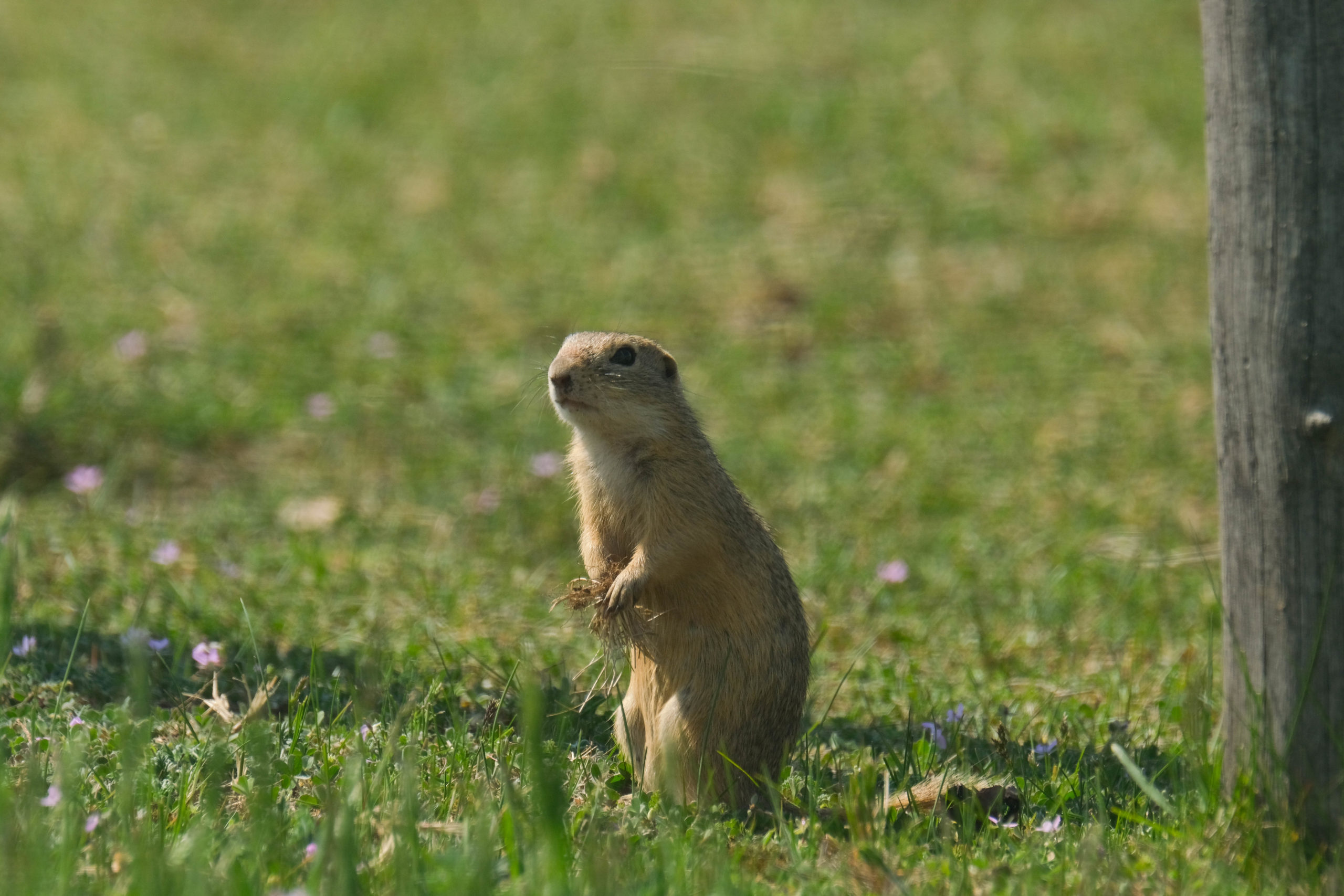
The number of ground squirrels in Slovakia rose from 28,000 to 36,000
In 2019, the ground squirrel was listed as critically endangered on the IUCN Red List, and population curves throughout Europe show a continuing downward trend. Despite these trends, the number of Slovak ground squirrels continues to increase after decades. Thanks to nothing else than the LIFE Sysel project.
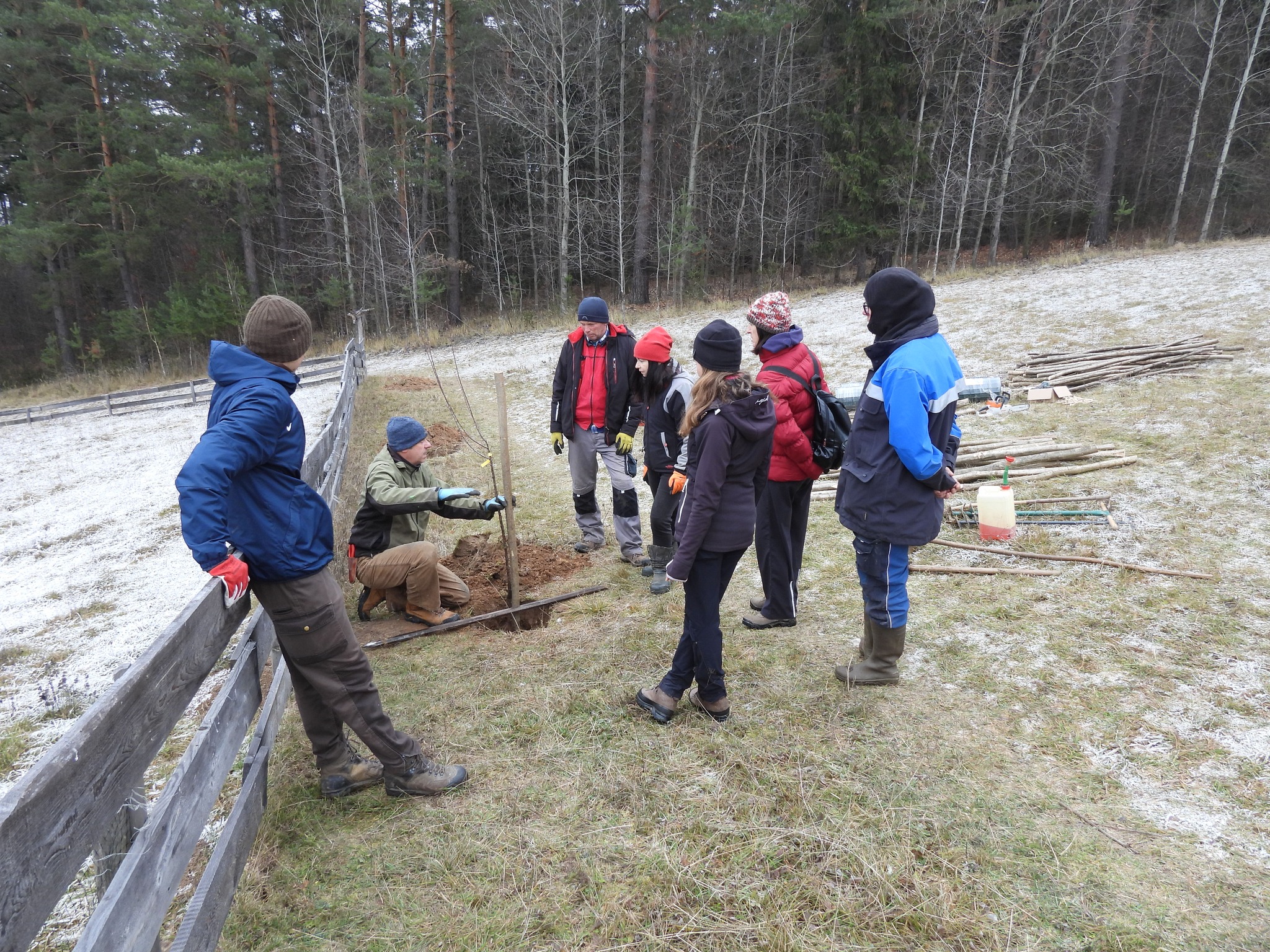
We are planting trees for ground squirrel
Today we planted fruit trees at the Ďurkovec sysľovisko near Tomášovský výhľad in Slovak paradise. It was a great and useful event and we thank everyone who participated. All of us are looking forward to the harvest, both for us and for the groundhogs.
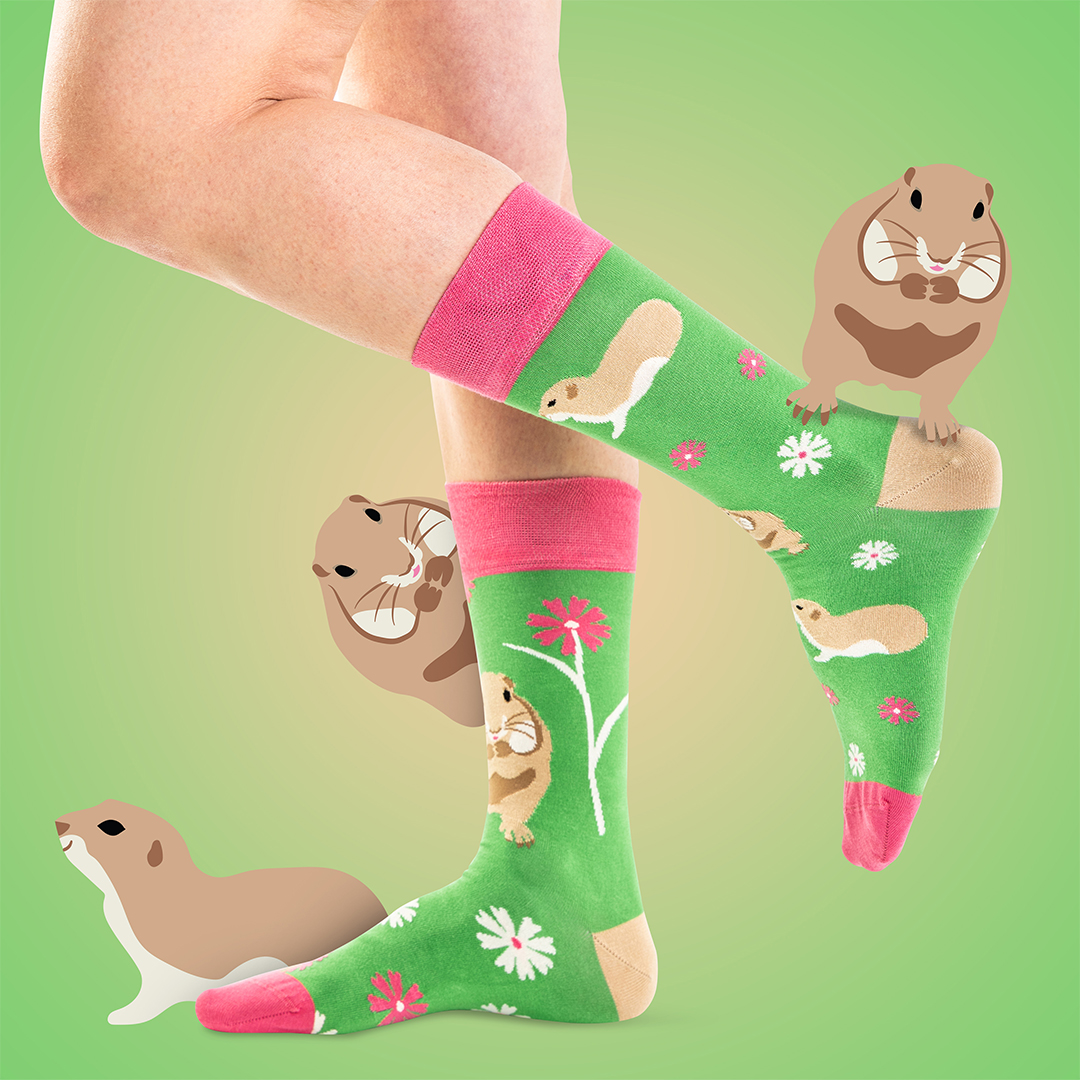
We created a sock collection with Dedoles company
On recent wanderings through the floodplain forest, the restoration of which was supported by the Dedoles company, we addressed other possibilities of our cooperation. How about creating a joint collection of socks? And draw attention to disappearing biodiversity? And so the Endangered Species collection was created, thanks to which species more or less conspicuously disappearing from our country got on the socks and information about them on the Dedoles website.
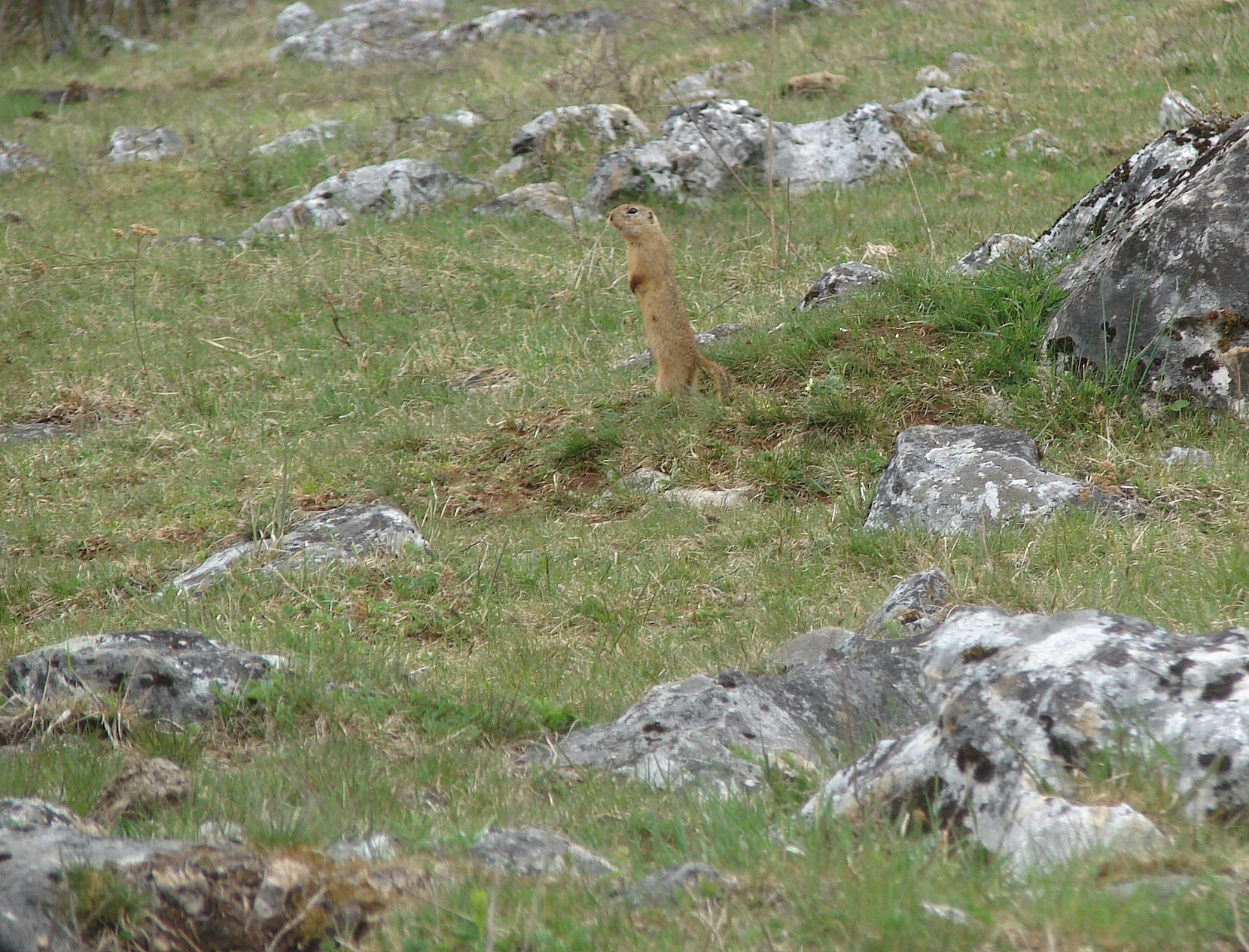
Ground squirrel locality in Tisovec is brimming with life
There is always something going on at the ground squirrel locality in the Tisovský Kras. We just recently finished cleaning before the pasture will start and we are still raking the cleared piles of bushes. We strengthened the squirrel colony with individuals from Murán. The ones you see there with some kind of pattern on their back are the new settlers. We shortened their hair with scissors, the lower part of which is black. In this way, they will have patterns by which we can recognize them and follow their fate. And the most important thing – whether they mate with local residents.

Photos of gorund squirrels from great hungarian photographer
We invite you to see the photos of ground squirrels by the famous Hungarian photographer Maté Bence.

Ground squirrel dating programme is succesful
The ground squirrels, which were part of the first part of the captures on March 18-25, 2022, are already in their new homes and are obviously doing well.
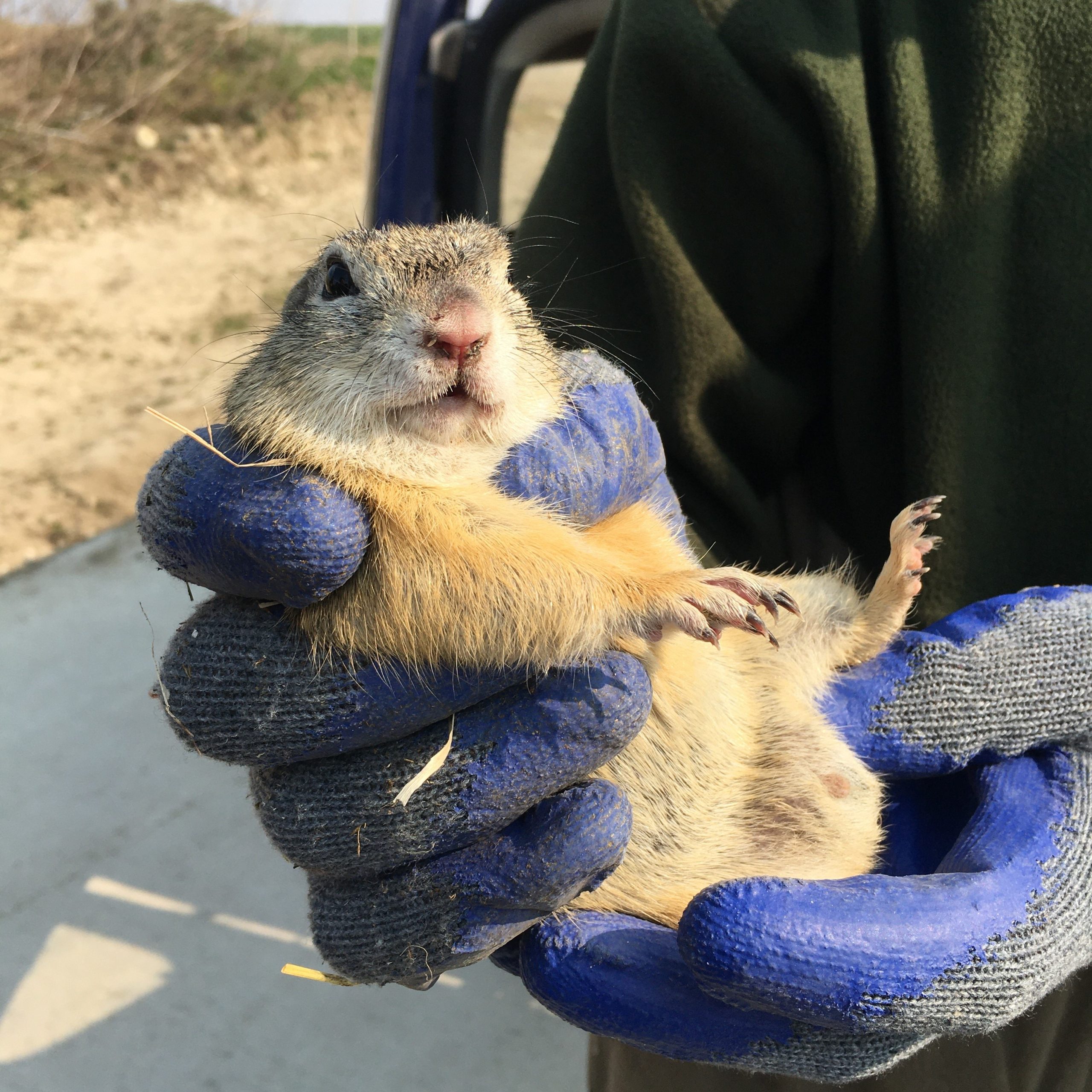
We started with spring capture of ground squirrels
Over the weekend we started with capture of ground squirrels at the Bratislava airport, these days we are continuing in the Slovak Kras and the Muránska planina will follow.
We are feeding ground squirrels, we are preparing catches
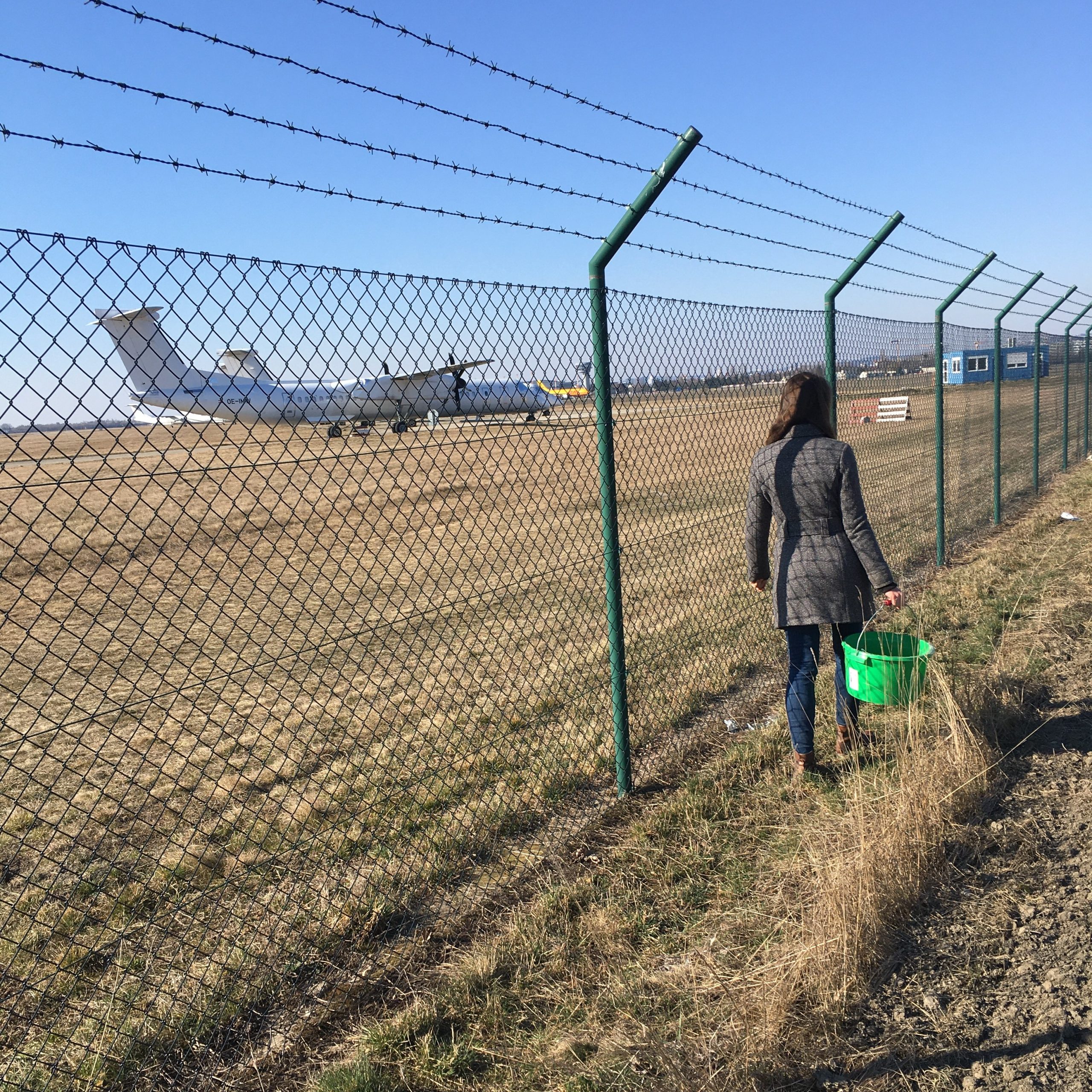
In recent days, our volunteers have been going to the Bratislava airport to feed the ground squirrels. Every roughly 20-30 meters they throw a little sunflower to get them used to going to these places. We are planning to catch ground squirrels there and transport them to other locations in order to strengthen several populations in southern and western Slovakia.
Ground squirrels qre waking up
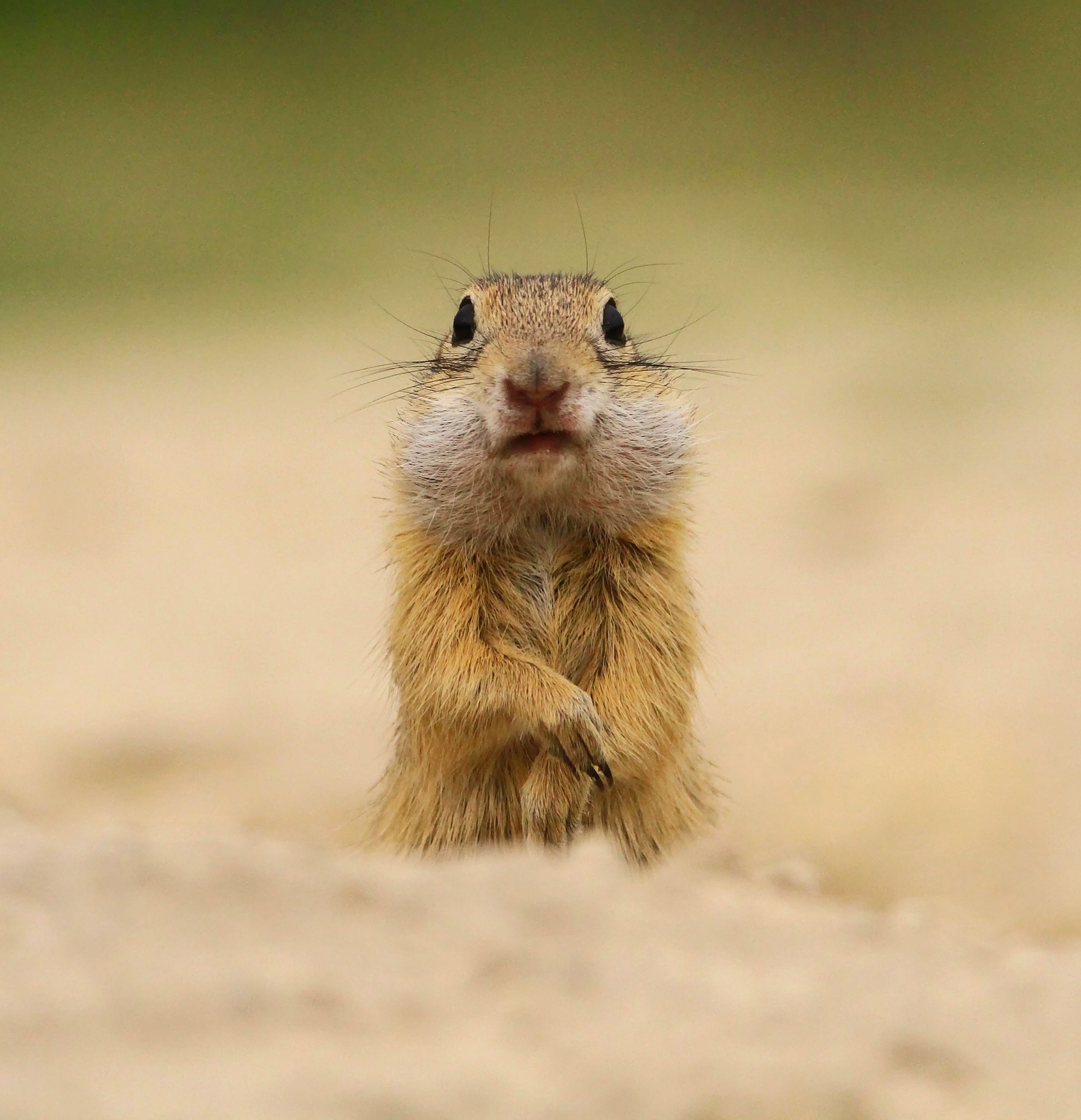
From several ground squirrels localities in Slovakia, they tell us that the squirrels are waking up.

We delivered two donkeys to Salaš Šurice
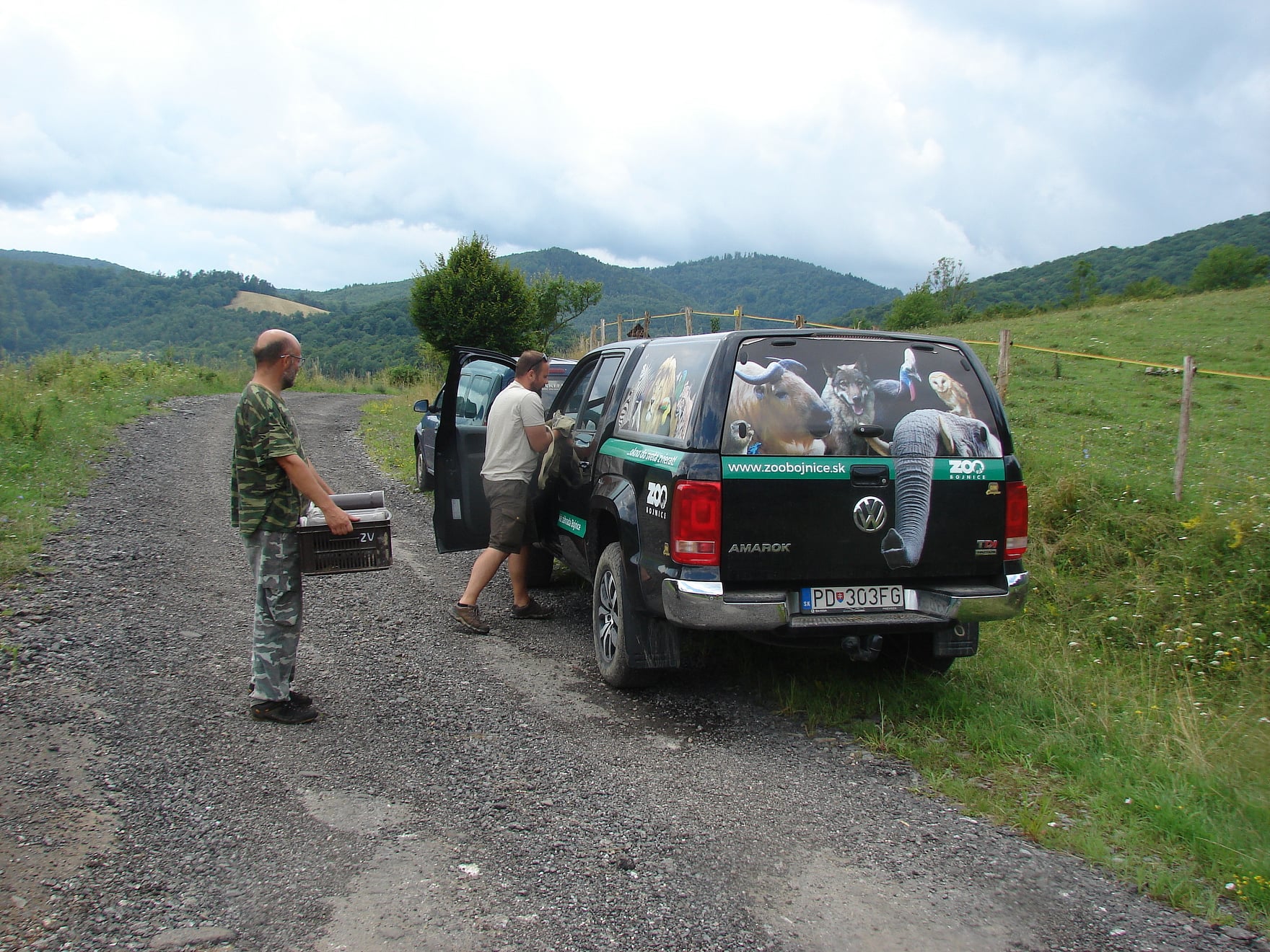
Two donkeys from ZOO Bojnice arrived at Salaš Šurice last week. There is a territory of European importance, declared for the ground squirrel and several other rare and protected animals, called Owl's Castle.
In Cerová vrchovina we built 1 km of fence for sheep grazing
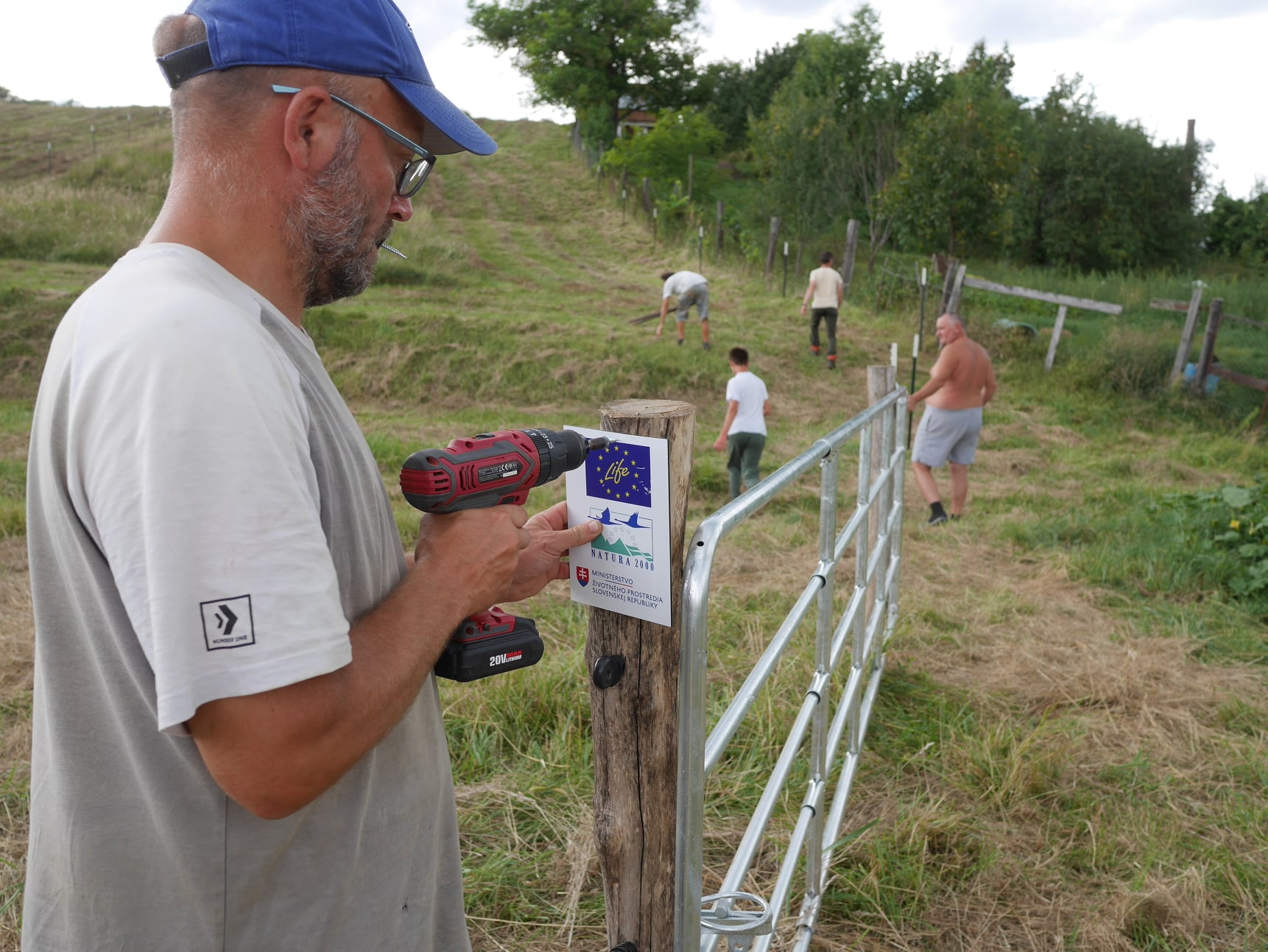
In August, we prepared another fence for sheep grazing, so that ground squirrels would do better. This time, we have built more than 1 km of fencing in the village of Jesenské in the Cerova vrchovina, and grazing on the 4.4 hectares of ground squirrel locality can begin.
Fat ground squirrel = healthy ground squirrel
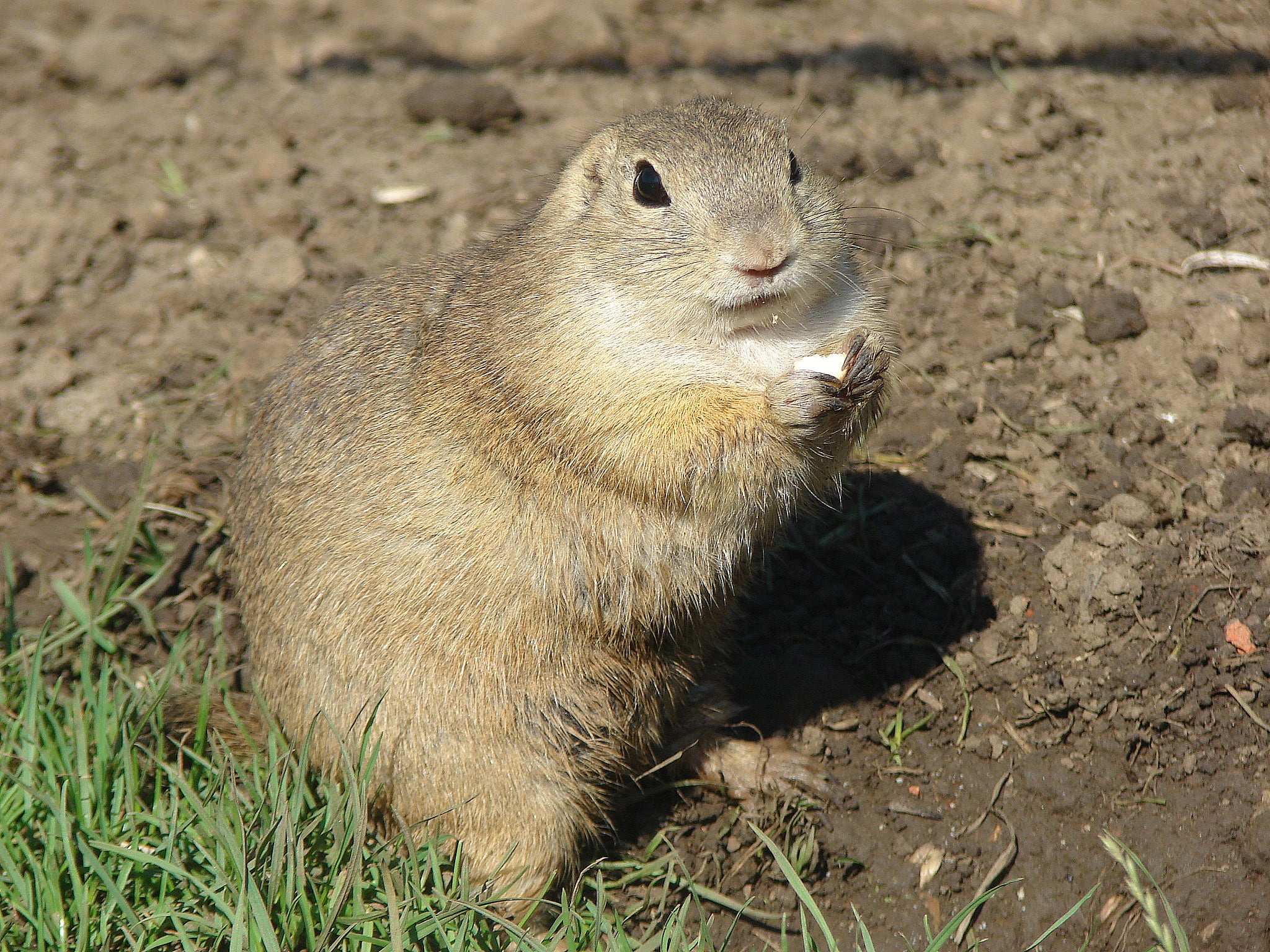
A fat ground squirrel, a healthy ground squirrel, this applies especially in this period before hibernation. Ground squirrels can weigh up to more than 500 g. In the spring, they weigh around 200 g. If you see a skinny ground squirrel during this late summer period, you are probably seeing him for the last time.
We are strenghtening populations on ground squirrel localities
As part of the project, we are also carrying out genetic research, and at the same time we are strengthening localities where there are so few individuals and interbreeding would deffinetelly occur between them.
In Turna we saved ground squirrels against plowing
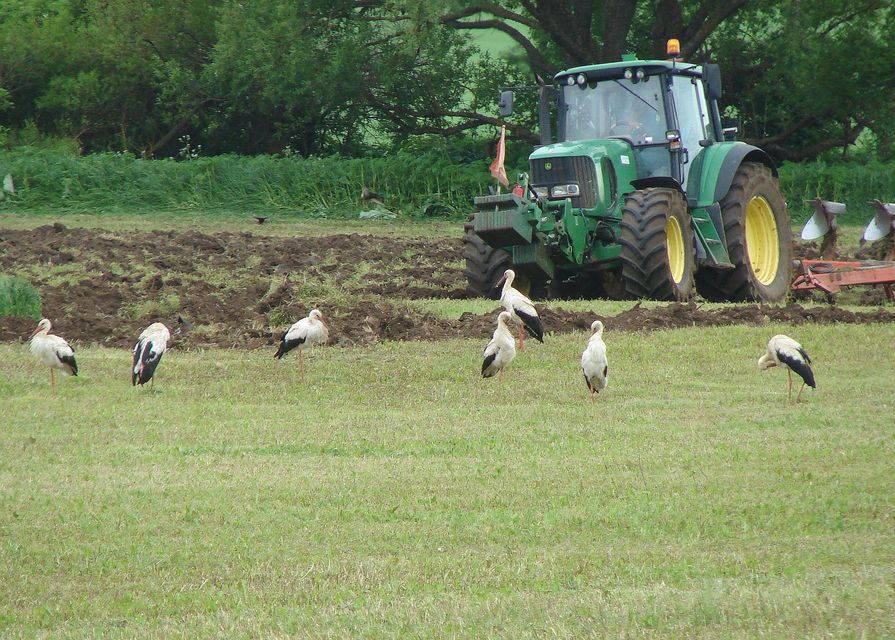
In Turna nad Bodvou, at the Skalistý potok location, there is the second largest forest site in Slovakia. Ground squirrels have settled here partly also in the alfalfa field. That field was recently plowed. The ground squirrels now have youngsters and plowing would kill them.

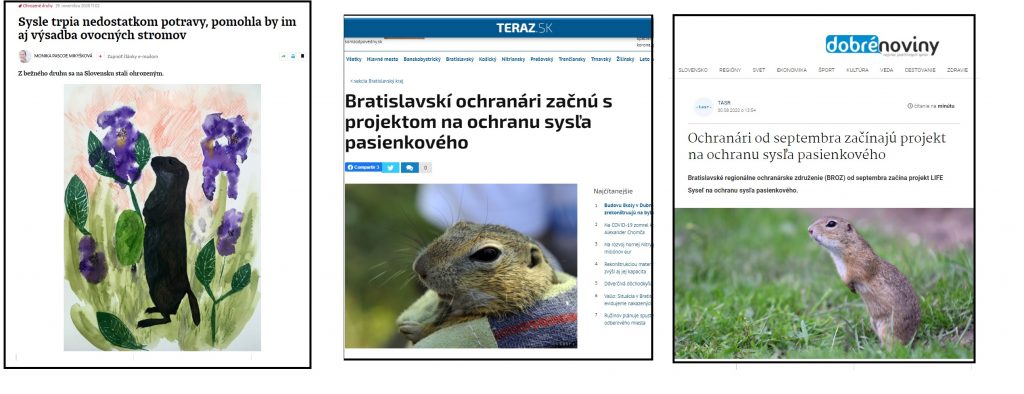
Denník N writes about our Ground Squirrel project
You can find out about the state of grazing ground squirrel populations in Slovakia, what their needs are and what threatens their ground squirrels in an article in Denník N. The article was illustrated by Monika Pascoe Mikyšková.
Project LIFE Syseľ for the conservation of the Ground squirrel can begin!
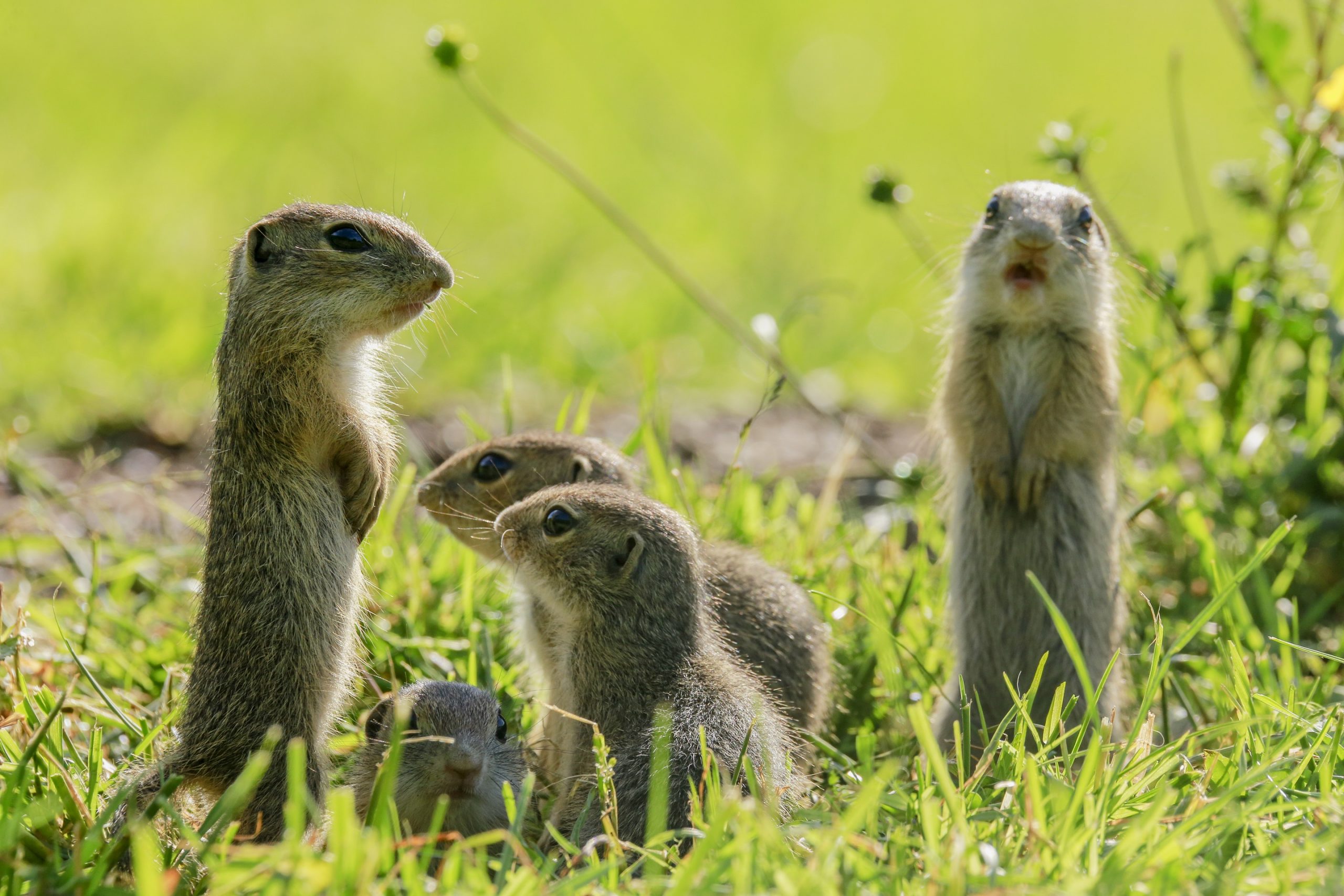
This September BROZ is starting two new projects which have been approvedby the European Comminison. Both LIFE projects aim to protect endangered species and restore their habitats. One of these projects will be dedicated to conserving the European ground squirrel which, a once common species which is now endangered due to habitat loss.

Grazers return to Tisovský kras to protect the ground squirrel
BROZ in cooperation with the local cooperative has begun to graze livestock on 18 hectare of land in Tisovský kras where the ground squirrel population has been on the decline due to inapopriate land management.
Project title: Conservation of European Ground Squirrel (Spermophillus citellus)
Project sector: LIFE+, Nature and Biodiversity
Projektový acronym: LIFE Ground Squirrel
Project code: LIFE19 NAT/SK/001069
Expected start date: 01/09/2020
Expected end date: 31/12/2027
Total project budget: 5 428 988 € (60 % EU financial contribution)
Project partners: BROZ, ALKA Wildlife o.p.s, Polskie Towarzystwo Ochrony Przyrody “Salamandra”, State Nature Conservancy of the Slovak Republic, National Zoological Garden Bojnice




Project focus:
The project is to contribute to the active protection of habitats of the endangered European ground squirrel species in selected localities in Slovakia, the Czech Republic and Poland.
In Slovakia, in most localities in the Alpine and Pannonian regions, the quality of the European ground squirrel population, as well as its habitats, was assessed as unsatisfactory or even poor. The reason is usually the extinction of the habitat caused by a change in the management of the site (especially the abandonment of livestock grazing in the country). The situation is similar in the Czech Republic, in Poland the ground squirrel became extinct in the 1980s, the successful reintroduction of individuals from Slovakia has managed to settle more localities, but the overall population is poor.
Main goals of the project:
1. Restoration of habitats – cleaning of sites from raids, introduction of grazing
2. Strengthening the European ground squirrel population – securing a food base (sowing suitable plants, supporting insect species, planting fruit trees), caring for individual colonies, diverting the forward pressure by supporting other animal species
3. Reintroduction of ground squirrels to suitable sites where they have become extinct in the recent past
4. Cooperation with local interest groups, owners and users in the protection of the target species
5. Replication and transfer of project results
6. Raising public awareness of European ground squirrel protection.
European ground squirrel
It is an animal living in colonies, which needs an open landscape with low vegetation for its life. It suits him if the vegetation is kept low by grazing animals. He needs a look around for his life. Often, as soon as he climbs out of the burrow, he sticks out and observes his surroundings or stands on his hind legs and “sticks out”, like a meerkat or a marmot. He is in danger from several angles. It is a food for foxes, weasels, but also birds of prey – eagles, falcons, and hawks. The ground squirrel is a rodent that lives underground, where it builds a system of burrows that connect corridors with multiple openings. It feeds on grass seeds, green parts of plants, fruits, various insects (crickets, horses, beetles) and does not despise even small voles or lizards. In winter, it hibernates in underground burrows.
Of the common species endangered
The European ground squirrel was once a common species in Slovakia, but by gradually abandoning the grazing of livestock and overgrowing or ploughing suitable sites, its populations were reduced. So much so that the ground squirrel is currently an endangered species. Ground squirrels for changes in the agricultural landscape also suffer from a lack of food, as they feed on plant seeds, fruits and insects, which are difficult to find in the monoculture. Despite the widespread myth, ground squirrels do not steal grain from fields and do not stock up because they hibernate during the winter.
Project localities in Slovakia:
Kečovské Škrapy – Národný park Slovenský Kras (SKUEV0345)
Soví hrad – CHKO Cerová vrchovina (SKUEV0358)
Horný vrch – Národný park Slovenský Kras (SKUEV0356)
Fabiánka – Národný park Slovenský kras (SKUEV0355)
Slovenský raj (SKUEV0112, SKUEV2112)
Mašianské sysľovisko – NP Slovenský raj (SKUEV0784)
Holubyho kopanice – CHKO Biele Karpaty (SKUEV0367, SKUEV2367)
Gavurky – CHA Gavurky (SKUEV0201)
Marcelovské piesky – PR Marcelovské piesky (SKUEV0065)
Bradlové pásmo (SKUEV0942)
Specific conservation activities
Restoration of European ground squirrel habitats in Slovakia
We will improve the existing management in selected localities where ground squirrels occur naturally so far. In the vicinity of these sites, we will create other suitable places where the colony can spread (we will clean them of overgrown trees, introduce pasture, change the land to grassland, etc.). Thanks to these measures, we will create at least 190 hectares of new habitats for grazing ground squirrels.
Strengthening and increasing the state of the ground squirrel population in Slovakia
The activity includes direct care for the colonies of ground squirrels – feeding, sowing plants that are suitable for its food, planting fruit trees of early summer varieties, support measures for animal components of food – especially for insects on which the ground squirrel feeds. As part of the activity, we will also implement measures to support the population of other species in localities so as to provide predators with more food and thus reduce predation pressure in the beginning.
Restitution of the European ground squirrel to localities where it occurred naturally in the past
In many areas of European importance in Slovakia, where the ground squirrel is the subject of protection, this species is unfortunately no longer found or its occurrence has been limited to only one or two colonies. At 10 such sites, where populations have disappeared or are disappearing, the transfer of individuals and the re-establishment of the colony will take place. The selection of sites will be preceded by long-term preparation and will be selected based on the possible implementation of other managements to improve the state of populations.
Habitat restoration and population strengthening in Poland
Habitat restoration and measures to increase and improve the stock of the European ground squirrel population in Poland will be implemented on a total area of 22 ha.
A.1 Elaboration of databases on land use and ownership within the area
A database of individual records was created for cadastral areas with existing ground squirrel colonies, as well as colonies planned for restoration. The database allows searching for various types of information, such as known/unknown owners, partial/100% ownership, and plots located within or outside the boundaries of Sites of Community Importance (SCI). The database will be used throughout the entire duration of the project to identify landowners for negotiations on land purchase and lease under Activity B.1, and for habitat management under Activities C.1, C.2, and C.3.
A.2 Completion of genetic database and complex genetic study in Slovakia
The first genetic screening has been completed and confirmed that the ground squirrel population in Slovakia is highly fragmented. Colonies survive in isolation and show signs of genetic erosion. Therefore, translocations of individuals from large, viable source colonies (only three in Slovakia – Bratislava Airport, Muránska Planina, and Skalistý Potok) to small colonies within regions are recommended, due to possible adaptations to the microclimatic conditions of each region. The second, comparative genetic study will be evaluated in 2027. In 2024, Bojnice Zoo established a gene bank where samples collected in 2026 and 2027 will be stored for further research.
A.3 Review on habitat restoration and restoration of European Ground Squirrel populations
The following documents were prepared: “Overview and assessment of species and site protection, appropriate management and land use in Sites of Community Importance included in the project” – including conditions, recommendations, and guidelines – and “Recommended procedure for the restitution of the European ground squirrel (Spermophilus citellus) and a strategy for the protection of individuals in case of unsuccessful restitutions.” In addition to these documents, management measures were pre-consulted with experts in zoology and botany.
Project partners also worked on the designation of a new protected site, SKUEV4003 Cifra, included in the Natura 2000 network in 2023, where the presence of ground squirrels was the main motivation for protection (in addition to ground squirrels, habitats 6210 and 5130 are also protected). Following approval by the European Commission, SCI Cifra became the 28th project site.
BROZ also contributed to the Management Plan of Slovenský kras National Park by preparing a chapter with recommendations for the protection of the European ground squirrel.
B.1 Land purchase/lease in Slovakia
So far, 2.95 hectares of land have been purchased by the State Nature Conservancy of the Slovak Republic in the cadastral area of Jesenské within SKUEV4003 Cifra. Negotiations are ongoing for the purchase of additional land totaling 4.77 hectares in this area and in SCI Vodokáš.
B.2 Land purchase/lease in Poland
A total of 7.54 hectares have been purchased, and negotiations are currently ongoing with other landowners for the lease of 11 hectares in SCI Kamień Śląski.
C.1 Restoration of European Ground Squirrel habitats in Slovakia
Unused agricultural land in the SCIs Muránska planina, Fabiánka, and Tisovský kras was cleared of woody vegetation at various stages of succession over an area of 16.5 hectares.
An area of 46.51 hectares has been cleared of shrubs, young shoots, overgrown biomass, and invasive plant species to support the expansion of ground squirrel colonies in the SCIs Horešské lúky, Slovenský raj, Spišskopodhradské travertíny, Kečovské škrapy, Beležír, Boleráz ground squirrel site, Chtelnice ground squirrel site, Fabiánka, Tisovský kras, Bradlové pásmo, Horešské lúky, and Cifra.
The most suitable management of grasslands for ground squirrels is grazing by livestock, followed by mowing, which must not be carried out late in the summer and must be repeated to maintain short vegetation, as tall grass is unsuitable for ground squirrels. The worst method of grassland management for ground squirrels is mulching; they are unable to move or find food in shredded grass left on site and quickly become prey to predators.
Changes in grassland management have so far been implemented on 127.52 hectares, which has already exceeded the project target. These include a transition from mulching to mowing and/or grazing (SCIs Spišskopodhradské travertíny, Muránska planina, Beležír and Boleráz ground squirrel site), from mowing to grazing (SCIs Slovenský raj, Horešské lúky and Holubyho kopanice), from mowing and late-season grazing to year-round grazing (SCI Mašlianske ground squirrel site), from very low-intensity grazing to early spring mowing and extensive grazing in summer and autumn (SCI Vodokáš), and from abandoned, occasionally mulched land to grazed land (SCI Cifra).
So far, appropriate management for ground squirrel populations has been established on 190.54 hectares, of which 81.76 hectares are grazed and 97.57 hectares are mown. In total, 179.33 hectares are currently under management, while grazing and mowing on the remaining 11.21 hectares cleared during winter 2025/26 will begin in spring 2026.
Grazing has been established and is continuously carried out at sites in the SCIs Slovenský raj, Muránska planina, Spišskopodhradské travertíny, Mašlianske ground squirrel site, Tisovský kras, Horešské lúky, Holubyho kopanice, and Cifra. Mowing management is carried out at sites in the SCIs Beležír, Vodokáš, and Boleráz ground squirrel site.
C.2 Supporting European Ground Squirrel populations in Slovakia
At 7 sites, 317 fruit trees were planted or grafted to provide a sustainable food source for ground squirrel colonies after the end of the project. Species and varieties producing fruit in summer or early autumn were selected to supply food before hibernation.
At 4 sites, seeds of plants directly providing food for ground squirrels (clover and barley) were sown, as well as species that attract insects as important food sources and support overall biodiversity (e.g. Onobrychis, Sedum, Sanguisorba).
To reduce predation pressure on ground squirrel colonies, 314 bird nest boxes (for wagtails, starlings, sparrows, and tits) and 96 nest boxes for small mammals (dormice) were installed at 13 sites.
For other species such as lizards, amphibians, snakes, and even fish, four small-scale measures were implemented at 3 sites to increase overall site diversity. Hay bales and wood piles were installed for this purpose. To support amphibians, four small wetlands were excavated in SCI Muránska planina, where more than 3,000 individuals of the threatened species tench (Tinca tinca) were produced. These helped reduce mosquito populations affecting grazing animals and supported the spread of the species into surrounding water bodies.
Predators were recorded at 14 sites, though predation was not confirmed at all of them. Wildcats were not addressed, as they are also protected species and predation is natural. Where predation by foxes and badgers was recorded, their dens were repeatedly destroyed, causing them to move away from the colonies. Predation pressure from birds of prey was mitigated by installing bird nest boxes, which also serve as an early warning system for ground squirrels when predators approach. At several sites, predation by domestic cats was recorded; cats were repeatedly deterred or captured and placed in shelters if they were stray.
Ground squirrels were supplementary fed with sunflower seeds and fruit at all project sites where colonies existed or were restored. Feeding focused on periods before and after hibernation, after the birth of young, and during unsuitable weather such as heavy rainfall or prolonged drought. Only organically produced sunflower seeds were used, and care was taken to ensure they did not contain seeds of invasive species, in order to prevent their spread in protected areas.
C.3 Restoration of European Ground Squirrel populations in Slovakia
A total of 5 colonies have been established so far in the SCIs Holubyho kopanice, Bežnisko (2 sites), Kamenínske slaniská, and Marcelovské piesky. In 2025, project activities were affected by the outbreak of foot-and-mouth disease, which prevented access to sites for an extended period. As a result, the number of ground squirrels at all sites is still insufficient, and releases will continue in spring 2026.
Individuals were translocated to 13 project sites from three locations with good genetic structure, as recommended by the genetic study at the beginning of the project. During the project, populations at two additional sites increased to a level that allowed their use as donor sites as well. In many cases, individuals were selected whose survival at the original site was threatened. In summer, many young individuals disperse away from colonies; at Bratislava Airport and Skalistý potok, this often leads them to adjacent fields where they would die during autumn ploughing or during hibernation in winter. At Bratislava Airport, individuals threatened by planned construction of a shopping centre were also used.
In total, 2,643 individuals were captured, transported, and released within this activity (additional translocations were carried out under Activity E.2). Of these, 435 individuals were used to establish new colonies through restitution, and 2,208 were used to improve the genetic structure of existing colonies. An additional 177 individuals were transferred to Bojnice Zoo for breeding and future restitution activities.
C.4 Restoration of habitats and support of populations in Poland
Following negotiations with landowners, cattle grazing was initiated on 11 hectares in SCI Dolina Lachy. A total of 7.54 hectares of land were purchased and are managed through mowing and cattle grazing.
The situation in SCI Kamień Śląski was initially more complicated, as the site had been only partially mown and very late in the season, and horse grazing was also carried out in a way unsuitable for ground squirrels. The local colony declined significantly. Negotiations with the local farmer were unsuccessful, so cooperation was established with the regional nature conservation authority to develop a new Management Plan for the site, followed by the implementation of more active conservation measures on 9 hectares.
Currently, a total of 20 hectares in Poland are managed in a way suitable for ground squirrel populations.
Ground squirrel colonies at both project sites were regularly supplementary fed with sunflower seeds, apples, and carrots, especially during drought periods (on approximately 1.5 hectares), prolonged heavy rainfall, and early spring after hibernation. Alfalfa and seeds of flowering plants were also sown to support food availability, either directly through seeds and flowers or indirectly by attracting insects.
D.1 Monitoring of the impact of project activities on European Ground Squirrel populations
The initial population size of ground squirrels in Slovakia was estimated at 20,000 individuals, which is very low, and the species is currently considered critically endangered. Conservation management measures, together with population support activities under C.1, C.2, and C.3, led to an increase to 50,500 individuals. During the project, the most unfavorable year for ground squirrels was 2023, due to adverse weather conditions (heavy and prolonged spring rains, flash floods at some sites that drowned many young individuals in burrows, and long periods of summer drought). Despite this, population numbers continued to increase as a result of project activities. The most successful year so far was 2021, when rapid population growth and expansion occurred shortly after the first project measures were implemented. In 2025, activities were affected by access restrictions to pastures due to foot-and-mouth disease in livestock, which prevented translocations, continuation of restitution, and supplementary feeding during periods of unfavorable weather. This resulted in a lower population increase.
More important than the overall population increase is the situation at sites with very small populations, where growth is most difficult to achieve. Once a population exceeds 150 individuals, its growth accelerates, as it becomes more stable and less vulnerable to predation pressure. Genetic structure also improves, resulting in higher reproduction rates and lower disease occurrence.
It is also important to monitor populations outside the project areas, as these serve as control sites. At these sites, ground squirrel numbers did not increase or fluctuated only slightly between 2020 and 2025, confirming that the observed growth is a result of project activities rather than a general trend.
In Poland, at both sites, after an initial population increase, a rapid decline in numbers was observed. This was caused either by late mowing of meadows by land users and intensive grazing by an excessive number of horses on another part of the grassland, which led to habitat degradation, or by local flash floods that inundated part of the colony. We expect that the new Site Management Plan will bring positive results and that more active conservation measures in the coming years will improve the situation and lead to subsequent population growth.
During three seasons (2022–2024), field research was conducted across 16 sites in Slovakia, involving the collection of European ground squirrel fecal samples, which were subsequently processed in the laboratory using flotation and sedimentation methods. Statistical analysis of a total of 902 samples revealed environmental factors influencing parasite communities. Among the detected parasites, members of the family Trichostrongylidae showed the most pronounced seasonal and ecological patterns, being associated with average monthly precipitation, seasonality, and specific site management practices. In contrast, the occurrence of representatives of the genus Capillaria corresponded with higher average monthly temperatures towards the end of the season. An important finding was the absence of significant interactions between parasite groups, suggesting that co-infections were likely the result of independent exposure rather than direct biological interactions. Identification of individual parasites was carried out using a combination of morphological and molecular methods (a total of 236 samples), including 156 individuals obtained through dissection. The study thus provides new insights into the distribution, ecology, and systematics of parasite taxa in Slovakia.
The aim of the master’s thesis was to investigate the presence of LCMV in an atypical host—the European ground squirrel—and thus contribute to a better understanding of its ecological occurrence and potential public health risks. Using molecular methods, the presence of LCMV was tested in eight individuals of the European ground squirrel, and the virus was confirmed in four of them.
Currently, we are still awaiting the identification of mesostigmatid mites, which were collected by extracting substrates from burrow entrances, as well as from two excavated nests.
One master’s thesis is also focused on the food resources of the European ground squirrel. For this purpose, samples were collected at seven project sites. Groups of insects representing important food sources (Orthoptera, Lepidoptera, Coleoptera, Hymenoptera) and bioindicators of management practices were also monitored. Bioindicators have been identified, and data on the occurrence and population trends of individual arthropods are being collected at more than six sites both before and after management interventions. Preparations for data collection in 2026 are currently underway, and the results are expected to reveal trends in habitat changes and confirm specific bioindicators. In 2027, only data analysis of samples and collected data will remain, completing this project activity.
A new ant species for the fauna of Slovakia, the small cryptic species Strumigenys baudueri, was discovered in SCI Cifra, and the finding was published in the journal Entomofauna Carpathica.
The aim is to determine the food availability of the European ground squirrel at sites where its colonies still occur. During the research, we examined the proportion of plant and animal components in dry fecal samples collected between May and September in 2022 and 2023 at 10 sites. Individual samples were separated into plant and animal components, and after weighing, the results of the laboratory analyses were statistically evaluated using Principal Component Analysis (PCA), Redundancy Analysis (RDA), and Pearson’s correlation coefficient. This study is currently awaiting publication in a scientific journal.
When evaluating vegetation, we primarily focus on vegetation structure, which has proven to be a statistically significant factor in many analyses. At 16 sites, phytosociological classification was carried out according to the current Atlas of Habitats of the Slovak Republic, and detailed phytosociological relevés were recorded at selected sites. Soil samples were collected at 10 sites and analysed in the laboratories of the Department of Soil Science, Faculty of Natural Sciences, Comenius University. In addition to fulfilling project objectives, the results will also be used for a doctoral thesis focused on the ability of European ground squirrels to alter soil conditions through bioturbation.
Small terrestrial mammals represent potential food competitors for ground squirrels (vegetation, seeds, insects), but they can also serve as an occasional component of their diet (mainly in spring). They may also help divert predation pressure away from colonies; therefore, feedback for Activity C.2 on appropriate supportive measures is important. In 2023, eight sites were monitored using live trapping, and a higher abundance of small mammals was recorded compared to the beginning of the project. Further comparative studies will be conducted at the end of the project in 2027.
D.2 Monitoring of the socio-economic impact of project actions
The total number of respondents involved in the survey across 12 municipalities within the project area was 252 in the first round of questionnaires: Smižany (56 respondents), Tisovec (39), Chtelnica (39), Spišské Podhradie (29), Muráň (26), Dechtice (16), Hrhov (14), Dobrá Voda (13), Dolný Lopašov (9), Spišské Tomášovce (6), Zádiel (3), and Nižná (2).
When evaluating all four thematic areas (conservation activities, other project objectives, practical outputs, and project benefits), responses indicated that across all three age groups (18–39, 40–59, 60+), project benefits received the highest rating (average 4.21 out of 5, i.e. 84% satisfaction). This was followed by other project objectives (average 3.71, 74%), conservation activities (average 3.65, 73%), and practical outputs (average 3.59, 72%). All scores are relatively high (on a 0–5 scale, an average rating would be 2.5, i.e. 50% satisfaction). The results, which strongly favor nature conservation in the selected sites, indicate that the public perceives the project activities and related conservation measures positively. A comparative study and evaluation of changes will be carried out at the end of the project in 2027.
D.3 Monitoring of ecosystem services
The current state of ecosystems has been recorded at 5 project sites (one-third of all sites). The selected sites are the same as those used in study D.2 (SCIs Chtelnické sysľovisko, Horný vrch, Slovenský raj, Tisovský kras, and Spišskopodhradské travertíny), allowing for cross-evaluation of the collected data. Several key indicators related to grassland restoration and socio-economic services are being monitored. The full study will be available in 2027.
D.4 Monitoring of output indicators
Key indicators (such as hectares of managed land, number of visitors, and ground squirrel population size) have been selected and are regularly monitored throughout the project and reported to the European Commission.
E.1 Raising the public awareness and dissemination of results in Slovakia
A total of 954 T-shirts in four different designs and various colors were produced and distributed. In cooperation with the company Dedoles, socks featuring ground squirrel motifs were created.
Three short educational videos were produced and made available to the public at:
https://fb.watch/F5PNSRBtg8/
https://fb.watch/F5PR_GSau8/
https://fb.watch/F5PP_tvC5k/
We also continuously organize presentations for the general public and schools, prepare ground squirrel exhibitions at Protected Landscape Area administrations, in Bojnice Zoo, and a travelling exhibition. Information about the project has been provided in 8 radio broadcasts and 11 television reports and interviews. A total of 79 articles have been published covering the project in general, colony restoration, trapping at Bratislava Airport, site management, grazing, and the need for ground squirrel conservation. Additionally, 103 posts have been published on social media.
E.2 Exchange and transfer of information, knowledge and lessons learnt, networking with other projects, replication of project activities
We organized 11 events focused on exchanging experience with other projects and initiatives. A field visit to two project sites was carried out with the Czech Nature Conservation Agency and the teams of projects LIFE17 IPE/CZ/000005 and LIFE16 NAT/CZ/000639.
Cooperation among researchers from all countries where the European ground squirrel occurs was carried out via email communication and an online conference during the preparation of the updated EU Action Plan for the species. New information on species distribution, actual population sizes, population trends, and management measures across countries was discussed.
We exchanged experience in grazing and site management with staff from Kiskunság National Park, the University of Debrecen, the Center for Large Landscape Conservation in Kazakhstan (working on conservation of the related species, the yellow ground squirrel Spermophilus fulvus), and the Milvus Group from Romania. With Knuthenborg Safaripark (Denmark), we discussed captive breeding of ground squirrels. Grassland management was also discussed with representatives of the Hungarian LIFE IP project GRASSLANDS-HU and the Latvian NGO Latvian Fund for Nature (LIFE GrassLIFE2 project).
We contributed data for the updated distribution map for the IUCN Red List. The Hungarian NGO Herman Ottó Institute organized a visit to three of our project sites together with partners of the new LIFE Citellus project focused on ground squirrel conservation in Hungary and Romania. We plan to continue close cooperation with this project in the future.
Volunteers supported conservation activities such as shrub removal and burning of overgrown biomass, removal of illegal waste dumps, tree planting, installation of nest boxes for birds and mammals, and supplementary feeding. They were not allowed to handle or transport ground squirrels due to their protected status, but assisted with monitoring traps and sites after release, as well as feeding prior to trapping. In total, volunteers contributed 436 person-days of work.
Slovak project partners participated in 8 conferences: the Conference on Research and Conservation of Small Mammals (Banská Bystrica), Zoological Days (Brno and Ostrava), EU CAP Network on Pollinators (Slovenia), the 14th European Conference on Ecological Restoration (Estonia), LIFE Platform Meeting RBAPS (Result-Based Agricultural Payment Schemes), and the CEE LIFE Platform Meeting (Hungary).
Within our “Living Landscape” programme, we visited 12 farmers hosting active ground squirrel colonies and awarded them the “Living Landscape” certificate and “Ground Squirrel Landscape” plaques. They also received digital versions of both labels as logos, which they can use on their products if they wish.
Replication activities were carried out at 12 sites: management measures were replicated 5 times, population support measures 20 times, colony restitutions twice, and translocations between sites 8 times. Replication of a ground squirrel enclosure also began at Bratislava Zoo.
Two workshops for farmers were organized. A brochure (1,000 copies) was published for this target group and is also available for download in PDF format from our website.
E.3 Public awareness raising and dissemination of results in Poland
A website presenting project activities in Poland was created and is regularly updated. The project was promoted several times on local radio and once on local television. Polish project partners participated in the conference “Conservation and Ecology of the European Hamster, a Critically Endangered Rodent,” where they presented experience from the ground squirrel conservation programme applicable to hamster conservation, as well as a conference in Kraków, where they presented the current status of ground squirrel populations and conservation in Poland.
Preparations are underway for the construction of two public ground squirrel observation sites.
E.4 Public awareness raising, dissemination and replication of results in Czech Republic
Since the beginning of the project, communication with stakeholders—especially landowners—has been ongoing via email, phone, and in person. Key stakeholders include vineyard owners, orchard managers, farmers, representatives of municipalities and regions, and other land users such as aeroclubs.
Currently, five replication activities (restoration management, population support, and translocations) are ongoing in the municipalities of Božice/Borotice, Hnanice, Havraníky, Miroslav, and Velké Pavlovice. A new site is being prepared in Čejč-Hovorany.
In cooperation with Charles University in Prague, the University of South Bohemia, and Hluboká Zoo, a three-year scientific project on genetic research has been launched (replicating the results of Activity A.2). A project in cooperation with Podyjí National Park, funded by the Czech-Swiss Cooperation Programme, titled “Back to the Steppe – Restoration of the Ground Squirrel Population in Podyjí,” has been approved.
Czech project partners participated in five meetings of the Nature Conservation Agency focused on ground squirrels, presenting project activities and results at three of them. They also took part in several monitoring activities in Slovakia.
Three informational roll-ups and two banners were produced and are used at public events, and a brochure was published.
We participated in five public events (Velké Pavlovice; Miroslav – two events during the apricot harvest festival and one airport open day; and two events at Olomouc Zoo) and organized three project days at primary schools within the project area.
The website www.syslinavinici.cz and social media platforms provide updates on the project, current population status, guidance on how to help ground squirrels, and examples of good practice. Cooperation with landowners is also promoted under the labels “Ground squirrels in vineyards” and “Ground squirrels in orchards.”
Four articles were published, two press releases issued, and three TV and two radio reports broadcast (Czech Television and Czech Radio), all focusing on ground squirrel populations, threats, conservation, and project objectives.
We participated in three conferences (Velké Pavlovice, Vilnius, and the “Biodiversity and Nature Conservation” conference in Telč) and delivered one presentation at Masaryk University in Brno.
We installed one information board in Miroslav, two posters in Pavlovice and Miroslav, seven information signs, and three roll-ups.
F.1 Project management
Project management has been carried out continuously. Six steering committee meetings and four monitoring missions were held. In 2024, the Midterm Report was submitted, and following financial verification, the second payment from the European Commission was received.
Conservationists are starting a project to protect the European Ground Squirrel from September – Dobré noviny
Ground Squirrels suffer from a lack of food, planting trees would help them – Denník N
BROZ starts a project to protect the European Ground Squirrel from September – Enviroportál
Conservationists from Bratislava are starting a project to protect the European Ground Squirrel – TASR


Mgr. Katarína Tuhárska – project manager tuharska@broz.sk +421 915 767 762
Currently, there are no volunteer activities in localities where we protect ground squirrels. We will inform you about such activities.